If Santa Fe has been calling your name, you are not alone. For many Albuquerque-area buyers, a second home here is about more than real estate. It is about having your own place in a city known for art, architecture, dining, and mountain access, all within a realistic drive from home. If you are weighing the idea, this guide will help you think through lifestyle, property type, costs, and ownership details before you make a move. Let’s dive in.
Why Santa Fe Works as a Second Home
Santa Fe stands apart as a lifestyle market. Official tourism information describes it as a UNESCO Creative City and one of the country’s largest art markets, with more than 250 galleries and over 20 museums. Add in major events like Indian Market, the International Folk Art Market, the Santa Fe Opera, the Chamber Music Festival, and the Literary Festival, and it is easy to see why buyers want a home base here.
The city also offers a strong food and culture mix year-round. Santa Fe highlights more than 400 restaurants, an award-winning culinary scene, and a year-round farmers market. If your ideal second home includes long weekends filled with great meals, gallery walks, and seasonal events, Santa Fe checks a lot of boxes.
For buyers based in Albuquerque, convenience is a major part of the appeal. Tourism Santa Fe notes that Albuquerque International Sunport is about a 60-minute drive away, and the Rail Runner ride is about 90 minutes. That makes Santa Fe surprisingly workable as a weekend retreat or part-time residence.
Start With How You Will Use It
Before you look at homes, get clear on your real use pattern. A second home can feel perfect on paper but become less practical if it does not match how often you will visit and what you want to do while you are there.
Ask yourself a few simple questions:
- Will you use the home mostly for weekends or for longer stays?
- Does summer matter most, or are you also planning winter trips?
- Do you want to walk to restaurants, galleries, and museums?
- Are you comfortable managing upkeep when you are back in Albuquerque?
- Might you ever rent the property, even occasionally?
Your answers shape almost everything that follows, from location to property type to maintenance planning. In Santa Fe, that upfront clarity matters because the city offers very different ownership experiences depending on where and what you buy.
Seasonal Living in Santa Fe
Santa Fe is not just a summer destination. Summer is busy, especially around major events. Tourism Santa Fe says summer weekends are often booked near capacity, and accommodations during Indian Market, held the third weekend in August, can fill up as much as a year in advance.
That seasonal energy is part of the appeal for many second-home buyers. July brings Santa Fe Art Week, late summer includes Zozobra, and late September brings the Wine & Chile Fiesta. If your goal is to plug into the city’s cultural calendar, ownership can give you a much easier home base during peak times.
Winter has its own draw. Ski Santa Fe is about 16 miles from downtown and generally operates from Thanksgiving through Easter. Santa Fe also sits at about 7,000 feet, with dry air, cool nights in summer, and temperatures that are typically 6 to 8 degrees cooler than Albuquerque.
That climate can be a plus, but it also adds planning. The visitor guide notes six to eight major snowfalls from November to April. If your second home will sit empty part of the winter, you will want a clear plan for winterization, routine checks, and weather-related maintenance.
Historic Charm or Low-Maintenance Ease?
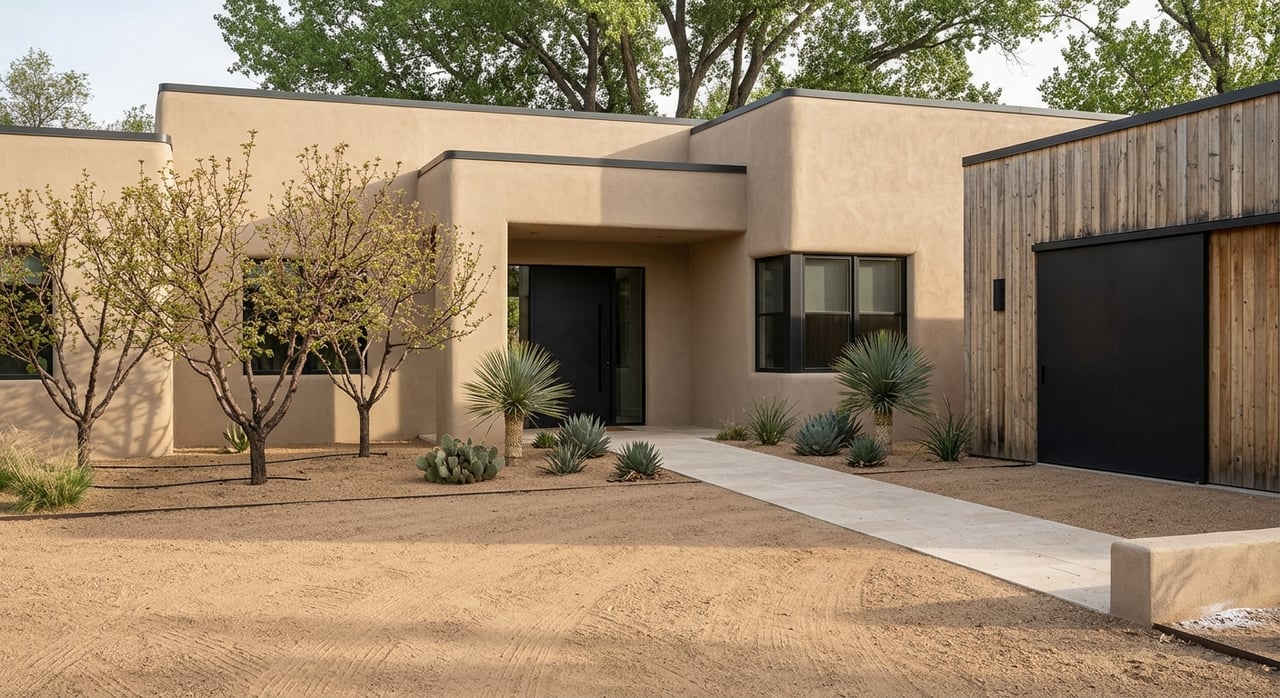
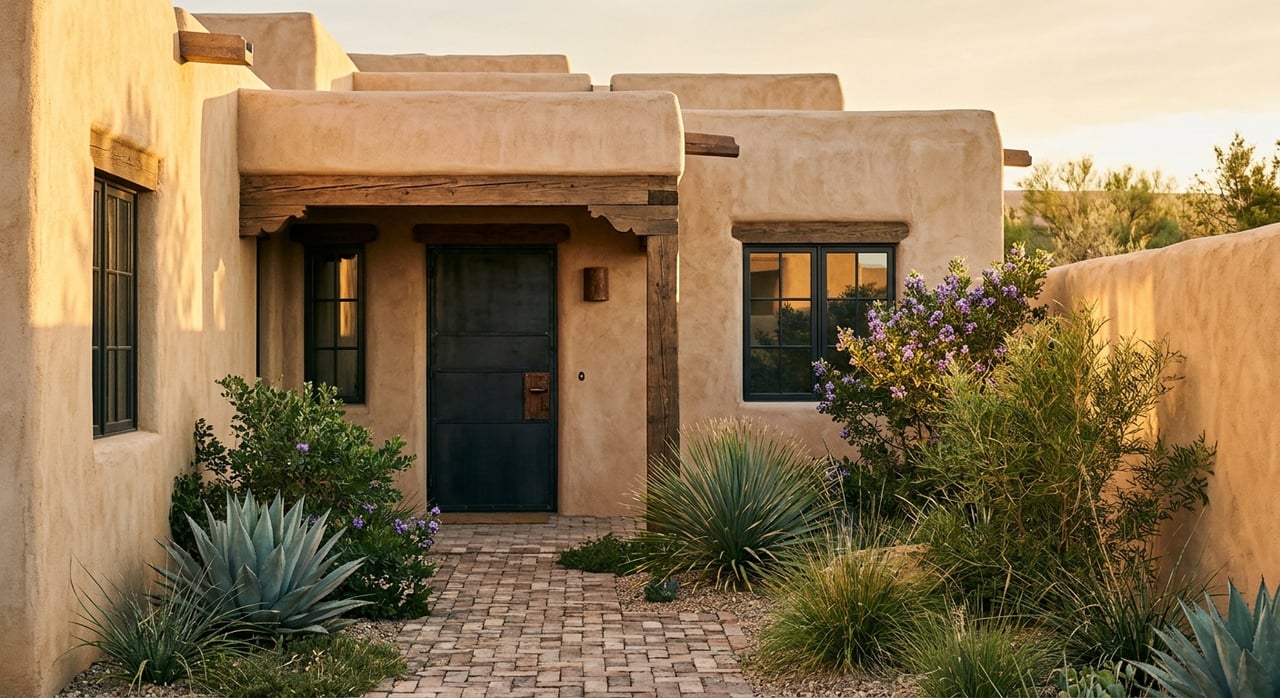
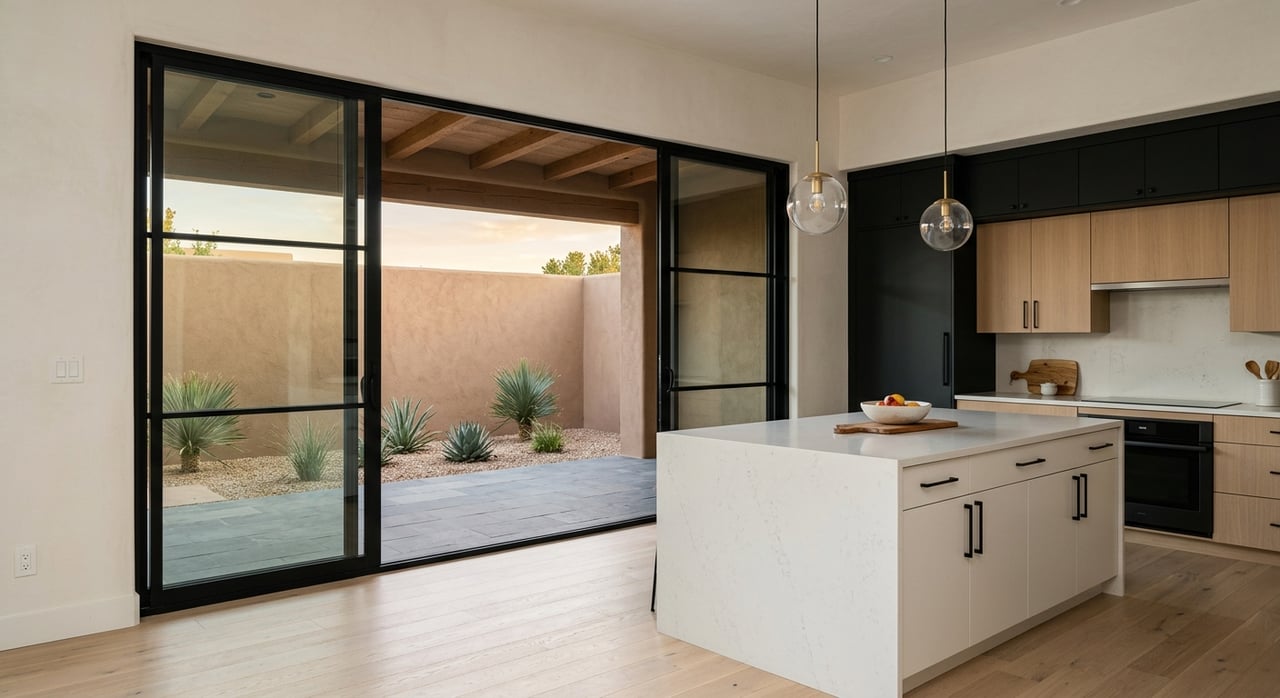
This is one of the biggest decisions second-home buyers face in Santa Fe. The city is known for its distinctive built environment, including historic adobe homes and architecture shaped by Spanish Pueblo and Territorial styles. Newer homes often blend those traditional elements with contemporary design.
If you love character, Santa Fe delivers. A historic property can offer a sense of place that is hard to replicate anywhere else. For some buyers, that emotional connection is the whole point of buying here.
But charm often comes with more responsibility. The City of Santa Fe Historic Preservation Division supports property owners in the city’s five historic districts, and the Historic Districts Handbook outlines design standards for exterior details such as style, color, and materials in certain areas. In practical terms, that can mean a more involved process for exterior changes and a different maintenance profile than a newer home.
If you want a simpler ownership experience, part-time-friendly areas may be a better fit. Official neighborhood pages describe downtown as a walkable core with restaurants, galleries, boutiques, bookstores, museums, and hotels. The Railyard and Guadalupe districts include contemporary lofts, artists’ live-work spaces, markets, and popular dining spots, making them natural options for buyers seeking a pied-à-terre or lock-and-leave home.
What Ownership Looks Like Day to Day
Second-home ownership is about more than the purchase. It is also about what happens when you are not there.
A practical Santa Fe plan should include:
- Regular property checks when the home is vacant
- Winterization strategy for colder months
- Landscaping and exterior upkeep
- A plan for maintenance requests and vendor access
- Clear expectations if the home may be used by guests or renters
This is especially important if you are comparing Santa Fe to Albuquerque. Santa Fe can be wonderfully accessible, but it still asks more of owners in terms of seasonality, property care, and advance planning. The right home is not just the prettiest one. It is the one that fits your actual lifestyle.
Santa Fe Prices Compared With Albuquerque
Santa Fe and Albuquerque are not priced the same, and that difference matters when you are deciding whether a second home makes sense right now. Redfin reported a March 2026 median sale price of $545,000 in Santa Fe, compared with $365,000 in Albuquerque.
That is a gap of about $180,000, or roughly 49% higher in Santa Fe. Redfin also reported median days on market of 88 in Santa Fe versus 42 in Albuquerque. The simple takeaway is that Santa Fe is both pricier and slower-moving than Albuquerque.
That can work in your favor if you are willing to be patient and selective. A slower pace may create room for thoughtful decision-making. At the same time, you still want to understand your carrying costs clearly before you buy, because a second home budget includes more than the purchase price.
Property Taxes Deserve a Closer Look
Taxes are an area where second-home buyers should slow down and ask questions early. New Mexico states that property is valued as of January 1, and county assessors mail Notices of Valuation around April 1. Santa Fe County also explains that all properties in the county are taxed at one-third of market value.
Those details matter because tax bills, valuation protests, and exemption deadlines can depend on the notice date and local tax district. If you are buying a second home, do not assume the tax picture will look the same as it does for your primary residence.
Some tax relief programs are limited. The state property-tax rebate for personal income tax is tied to a principal place of residence, and Santa Fe County’s head-of-family exemption is limited to New Mexico residents and only one county per tax year. In other words, a tax break that applies to your main home may not apply to a Santa Fe second home.
If You Might Rent the Home
Many buyers like the idea of occasional rental income, even if that is not the main reason for buying. If that possibility is on your radar, it is smart to discuss it before closing rather than after.
The New Mexico Taxation and Revenue Department says residents and nonresidents are taxed on net income from New Mexico property. If you plan to rent the home even occasionally, a tax professional should help you confirm how that income would be reported and whether your ownership structure affects the filing picture.
This is one of those decisions that can shape your purchase strategy. A home that works beautifully for private use may not be the same home you would choose if rental flexibility is part of the plan.
A Smart Second-Home Checklist
Before you buy a second home in Santa Fe, make sure you can confidently answer these questions:
- How often will you realistically use the home?
- Which season matters most to you?
- Do you want historic character or lower-maintenance convenience?
- Is the property in a historic district?
- Are you comfortable with exterior review rules if they apply?
- Who will handle landscaping, winterization, and general maintenance?
- Will the home ever be rented?
- Have you reviewed taxes and carrying costs with the right professionals?
This kind of planning is not about talking yourself out of buying. It is about buying well.
Why Guidance Matters
A Santa Fe second home can be an incredible lifestyle purchase, especially if you live in Albuquerque and want a place that feels like a true getaway without being far away. But it is also a market where details matter. Property type, district rules, seasonal use, maintenance planning, and tax assumptions all play a real role in whether ownership feels easy or stressful.
That is why local, thoughtful guidance matters so much. When you have a clear plan and the right fit, a second home in Santa Fe can become one of the most rewarding real estate decisions you make.
If you are thinking about what that could look like for you, Laura Fitzpatrick can help you sort through the options with a local, relationship-first approach and a clear eye on the details.
FAQs
What makes Santa Fe appealing for a second home?
- Santa Fe offers a strong mix of arts, dining, architecture, outdoor access, and seasonal events, plus practical proximity to Albuquerque for weekend or part-time use.
What should buyers know about historic districts in Santa Fe?
- Some homes are in historic districts where exterior changes may be subject to design standards and review, which can affect maintenance, updates, and ownership planning.
What Santa Fe areas may suit lock-and-leave second-home buyers?
- Downtown, the Railyard, and Guadalupe are often the most obvious fits because they offer walkability and more part-time-friendly housing options such as lofts and pied-à-terre style properties.
How does the Santa Fe housing market compare with Albuquerque?
- Based on March 2026 Redfin data in the research report, Santa Fe had a higher median sale price and longer median days on market than Albuquerque, making it generally pricier and slower-moving.
What should second-home buyers know about Santa Fe property taxes?
- Buyers should review valuation timing, local tax district details, and exemption rules carefully because some tax relief programs apply only to a principal residence or have specific residency limits.
What if I may rent out my Santa Fe second home?
- If the property may be rented, even occasionally, you should review New Mexico income tax reporting and ownership implications with a tax professional before you buy.