Thinking about a move to Corrales? It can be a great fit if you want more space, a slower pace, and a home that feels connected to land and daily life in New Mexico. It can also surprise buyers who expect a typical suburban setup. This guide will help you understand what village living in Corrales really looks like, what to check before you buy, and how to decide if it matches your goals. Let’s dive in.
What Living in Corrales Feels Like
Corrales is a small village on the edge of the Albuquerque metro, but it does not read like a standard master-planned suburb. The village had 8,493 residents in the 2020 Census and an estimated 8,530 in 2024, which reflects a relatively stable population.
That stability shows up in housing too. Census data shows 91.2% owner occupancy, and 91.7% of residents were living in the same house one year earlier. For you as a buyer, that often means fewer listings, slower turnover, and a market where patience matters.
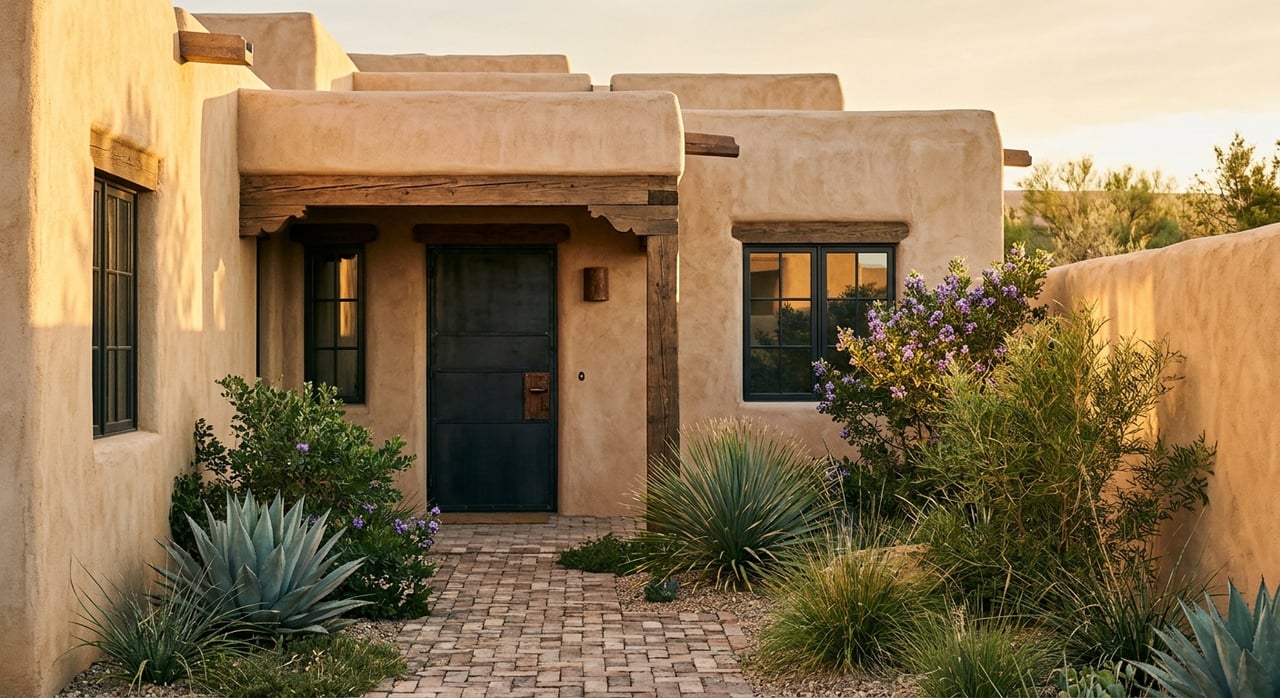
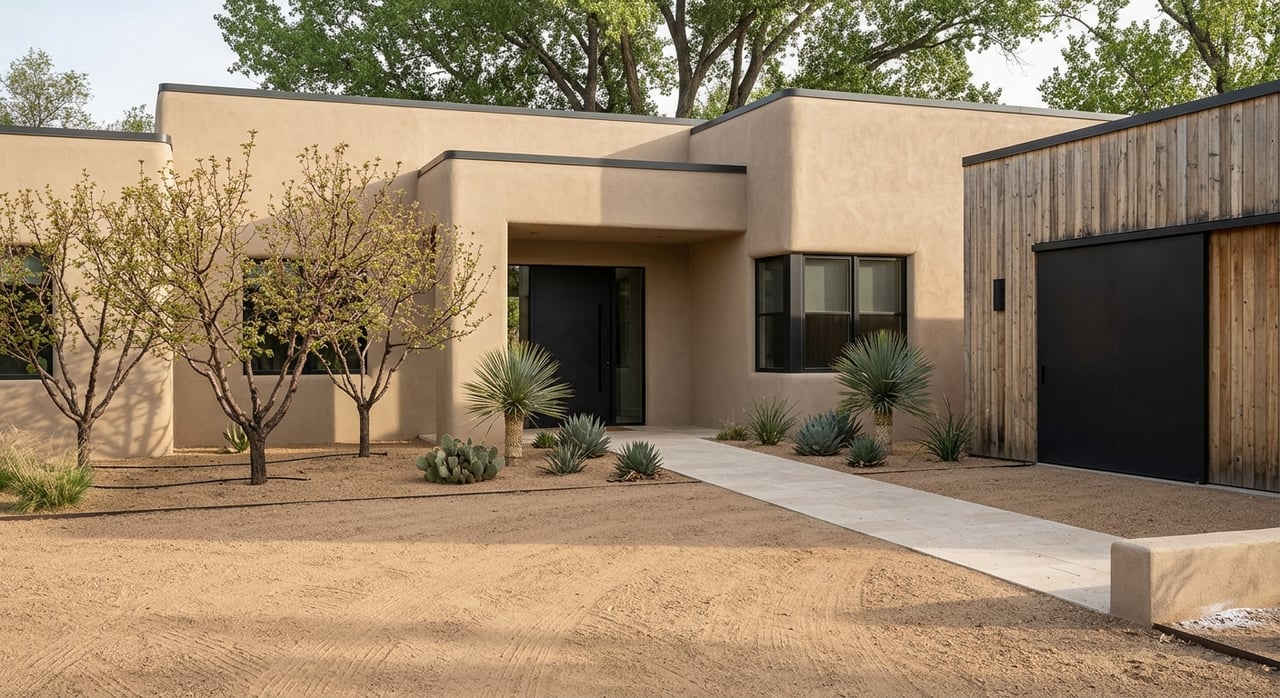
The housing stock also has a very different feel from tract neighborhoods. Village planning documents describe a mix of older adobe homes, orchards, vineyards, horse corrals, accessory buildings, pastures, and newer custom homes. In practical terms, you are shopping in a mixed rural housing landscape, not a uniform subdivision.
Corrales Housing Basics
If you are relocating from a city or more conventional suburb, Corrales housing patterns may be the biggest adjustment. Much of the village is in A-1 and A-2 agriculture/residential zones, and planning documents say most of Corrales has already been subdivided into one-acre lots.
That one-acre pattern shapes how the village looks and feels. You get more breathing room, but you also need to think more carefully about land use, upkeep, and how the property functions beyond the house itself.
New construction exists, but it is limited. The 2024 village plan says most new building is now infill on a parcel-by-parcel basis, and the village reported 29 new single-family permits in 2024. At the same time, renovation permits are issued at about twice the rate of new construction permits, which tells you many buyers are updating existing homes rather than building from scratch.
What the Market Suggests
Corrales is not a fast-churn market. The median owner-occupied home value is $571,500, and the combination of high owner occupancy, low movement, and limited new construction points to an established housing market with relatively slow turnover.
If you are relocating on a set timeline, that matters. You may need to move quickly when the right property appears, but you may also need flexibility while waiting for the right lot, layout, or utility setup.
Wells, Septic, and Irrigation Matter
One of the biggest practical differences in Corrales is infrastructure. The village states that it does not have a municipal water system, so homes and businesses rely on domestic or commercial wells.
The village also says there is no sewer system except for a small STEP-served corridor on Corrales Road. That means many properties rely on septic systems, and those systems should be part of your due diligence from the start.
Irrigation can also be part of the picture. Many properties use ditches for irrigation, especially where gardens, small-scale agriculture, orchards, or pastures are involved. If land use matters to you, irrigation access is not a minor detail. It is a core part of how the property may function day to day.
Your Corrales Utility Checklist
Before making an offer, ask for clear information on:
- Water source and well details
- Septic system type and condition
- Irrigation access, if applicable
- Lot size and zoning
- Any documents related to land restrictions or conservation easements
Corrales limits density to one dwelling unit per acre to protect groundwater. That policy is one more reason the village feels spacious, but it also reinforces why property research here needs to be more detailed than it might be in a typical suburban neighborhood.
Commuting From Corrales
Many buyers love Corrales because it feels tucked away while still connecting to the metro. Census data shows a mean travel time to work of 28.3 minutes, and the main routes to Albuquerque are Corrales Road/NM 448 and Loma Larga Road.
For Rio Rancho access, village materials identify Meadowlark Road, Don Julio Road at Highway 528, and the north end of Corrales Road as key connections. If you will be commuting regularly, route testing is worth doing before you buy.
That is especially true because village planning documents note that Corrales Road carries the heaviest commercial traffic and parking pressure in the village. A map can give you the route, but only a drive at your actual commute time gives you the real experience.
Corrales Is Also a Trail-Oriented Place
Movement in Corrales is not only about driving. The village trails plan describes off-street, non-motorized links to Albuquerque through the Paseo del Bosque Trail and identifies routes used by walkers, cyclists, and equestrians.
For some buyers, that is a quality-of-life feature that matters just as much as commute time. If you value outdoor access as part of your daily routine, Corrales offers a lifestyle that extends beyond the driveway.
Horses, Gardens, and Hobby Farms
Corrales stands out for buyers who want room for animals, gardens, or small-scale agricultural use. The village maintains an Equestrian Advisory Commission, and its recreation center includes an equestrian arena. Village planning documents also describe Corrales as animal-friendly and note that horse riders are common on roadways.
Agriculture is still part of everyday life here. The village highlights farms, vineyards, local wine, the Growers' Market, and Wagner Farms, while the 2024 comprehensive plan notes that the market runs year-round. The same plan cites about 319 agricultural exemptions and roughly 302 self-reported horses in the Corrales district.
That does not mean every property is automatically set up for your plans. It means you should verify exactly what a specific parcel supports before you buy.
Tax Questions to Ask Early
If you are considering horses, crops, or hobby-farm use, do not assume the property qualifies for agricultural valuation. Sandoval County says agricultural valuation depends on objective evidence of bona fide agricultural use, and homesites and residences are not valued under the special agricultural method.
In simple terms, agricultural tax treatment is based on use, not just ownership. If that matters to your budget or long-term plans, confirm it early with Sandoval County and review the property records carefully.
Preservation Can Shape the Property
Some parcels in Corrales also carry preservation-related restrictions. The village's Farmland Preservation and Agricultural Commission reports that ten parcels totaling more than 68 acres are protected by conservation easements.
That is part of what helps preserve Corrales' open feel. It also means you should ask for any easement or restriction documents tied to a property so you understand how the land can and cannot be used.
Daily Life and Amenities
Corrales offers village-scale amenities rather than large-scale commercial convenience. The village lists a recreation center, municipal pool, skate park, athletic fields, courts, a fishing pond, an equestrian arena, a senior center, and a library as key community resources.
Food and farm retail are also part of the local rhythm. The village lists the Farm Stand, Corrales Growers' Market, and Wagner Farms, and the market operates Wednesday and Sunday mornings.
At the same time, the village's comprehensive plan says commercial activity is concentrated mainly in two small areas, with the Corrales Road commercial core doing most of the work. For you, that usually means a quieter local setting for daily life, while still relying on Albuquerque or Rio Rancho for many larger shopping, healthcare, and specialized service needs.
Who Corrales Fits Best
Corrales tends to fit buyers who want land, privacy, and a more rural pace while staying connected to the Albuquerque metro. It can be especially appealing if you value one-acre lots, custom homes, outdoor movement, or the possibility of horses, gardens, or small-scale agriculture.
It may be less ideal if you want a conventional suburban layout, public utilities, or quick access to big-box retail and a long list of nearby services. Neither choice is better. They are simply different lifestyles.
The key is being honest about what you want your everyday life to look like. In Corrales, the property itself often becomes a bigger part of daily living, planning, and maintenance.
Smart Steps Before You Buy
A relocation move to Corrales goes more smoothly when you focus on property function, not just finishes. Before you move forward, make time to:
- Compare commute routes during the times you would actually travel
- Verify well, septic, and irrigation details
- Confirm zoning and lot size
- Ask about conservation easements or other land restrictions
- Check agricultural valuation directly with Sandoval County if land use is part of your plan
Those steps can help you avoid surprises and narrow in on homes that truly fit your lifestyle. In a market like Corrales, the right guidance can save you time and help you make a more confident decision.
If you are considering a move to Corrales and want a thoughtful, boots-on-the-ground view of what fits your life, Laura Fitzpatrick can help you evaluate the details, compare options, and relocate with clarity.
FAQs
What is the housing market like in Corrales, NM?
- Corrales is a stable, owner-heavy market with high owner occupancy, relatively slow turnover, limited new construction, and a median owner-occupied home value of $571,500.
What utilities should you check before buying in Corrales?
- You should verify the water source, well details, septic setup, and any irrigation access, since most properties rely on wells and septic rather than standard public utility systems.
What is commuting from Corrales to Albuquerque or Rio Rancho like?
- Corrales has a mean travel time to work of 28.3 minutes, with key routes including Corrales Road/NM 448, Loma Larga Road, Meadowlark Road, Don Julio Road at Highway 528, and the north end of Corrales Road.
What should buyers know about horses or hobby farms in Corrales?
- Corrales is animal-friendly and agriculture remains part of village life, but buyers should confirm zoning, irrigation, and tax treatment before assuming a property supports horses, crops, or hobby-farm use.
Can every Corrales property qualify for agricultural valuation?
- No. Sandoval County says agricultural valuation requires objective evidence of bona fide agricultural use, and homesites and residences are not valued under the special agricultural method.
What amenities are available in Corrales for daily life?
- Corrales offers village-scale amenities such as a recreation center, pool, skate park, athletic fields, courts, fishing pond, equestrian arena, senior center, library, and local farm retail including the Growers' Market and Wagner Farms.