Wondering what it’s really like to live in Old Town Albuquerque? If you love the idea of historic character, walkable streets, and a neighborhood that feels full of life, Old Town deserves a closer look. This guide will help you understand the area’s culture, housing style, daily rhythm, and what to keep in mind if you hope to buy a home here. Let’s dive in.
Old Town has deep roots
Old Town Albuquerque has been the city’s heart since 1706. It is widely recognized as Albuquerque’s first neighborhood and cultural center, with the plaza anchored by San Felipe de Neri Church, built in 1793 after the original structure collapsed.
That history is not just something you read on a plaque. You can feel it in the layout of the plaza, the architecture, and the way the district still serves as a gathering place today. For many buyers, that sense of place is a big part of the draw.
Old Town feels active and lived-in
If you picture Old Town as a quiet historic pocket, the reality is a little more layered. The area functions as a mixed-use historic core, with homes, shops, galleries, restaurants, museums, and public spaces all woven together.
The district includes more than 100 shops, galleries, and restaurants. The city also notes that many businesses are open Monday through Saturday from 10 a.m. to 8 p.m. and Sunday from 11 a.m. to 7 p.m., while the gazebo and plazas are regularly used for community events.
That means your day-to-day experience here can feel energetic and destination-oriented. If you enjoy being near activity, local shopping, and public events, that can be a major plus. If you want a more tucked-away residential setting, it is worth weighing that lifestyle carefully.
Culture is part of daily life
One of Old Town’s biggest strengths is how much culture is built into the neighborhood. This is not a place where you have to drive across town to find museums, public art, or seasonal programming.
The Albuquerque Museum, located at 2000 Mountain Road NW, is a major cultural anchor in the area. The city describes it as a leading institution for art, history, and culture in the Southwest, with exhibitions, docent-guided tours, live performances, classes for children, a Sculpture Garden, a museum store, and a café.
Explora is also nearby at 1701 Mountain NW. It is described by the city as a hands-on children’s museum that is open daily, adding another community-focused destination to the Old Town area.
For buyers who want a neighborhood with things to do close to home, these amenities matter. They shape the atmosphere and help explain why Old Town feels like more than just a residential district.
Plaza life adds character
The Old Town Plaza and gazebo are central to the neighborhood’s identity. These are not just historic landmarks. They are active public spaces that host events and help create the area’s social rhythm.
Seasonal programming is a big part of that experience. City sources highlight events such as Mother’s Day in Old Town, Summertime in Old Town, Balloon Fiesta Week in Old Town, and the Old Town Holiday Stroll.
Visit Albuquerque also notes that seasonal entertainment can include folk art, flamenco dance, and mariachi music. If you are drawn to a neighborhood with recurring public events and a strong sense of tradition, Old Town offers that in a very visible way.
Shopping leans local and handmade
Old Town’s shopping scene is another defining feature. Instead of a conventional retail corridor, you will find a more local, artisan-driven mix that reflects the area’s long history of trade and craftsmanship.
A standout example is the Old Town Portal Market on the east side of the plaza. It operates daily from 9:30 a.m. to 9 p.m. and provides a place for local artisans to sell handmade jewelry and other Southwest goods, including turquoise pieces.
For buyers, this helps explain the neighborhood’s feel. Old Town is not simply historic in appearance. It is also a place where local art, craft, and public-facing commerce remain part of the everyday environment.
Adobe homes define the look
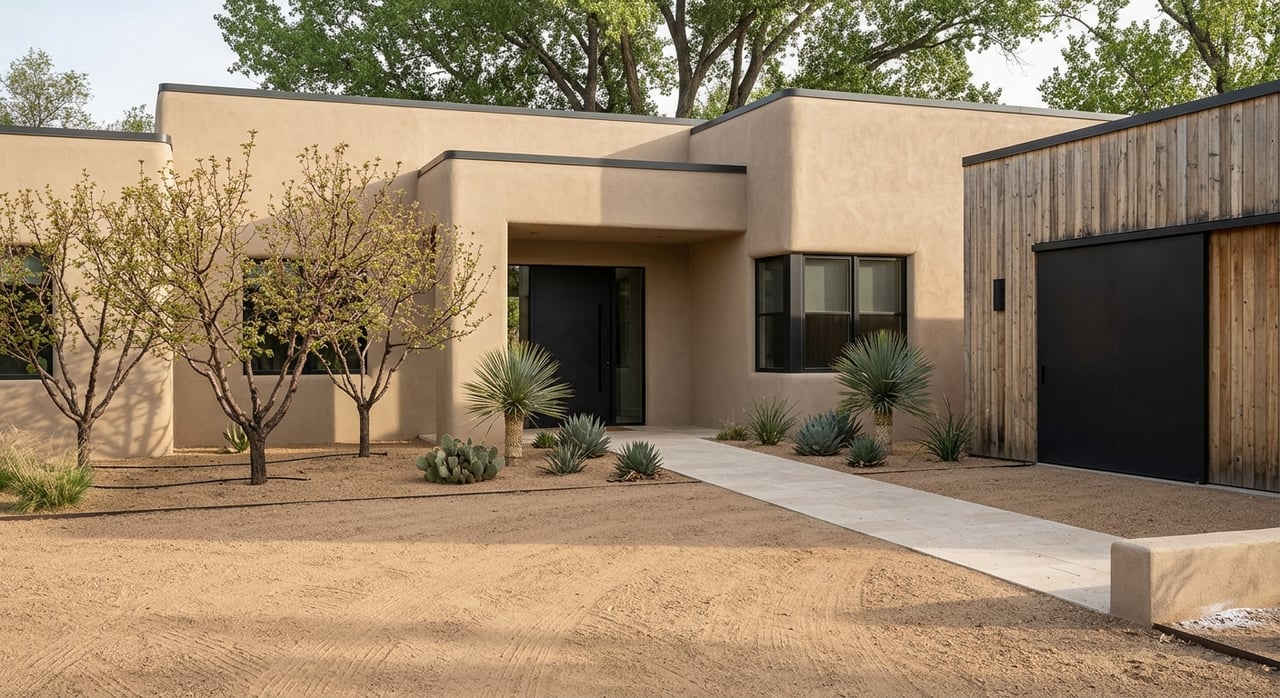
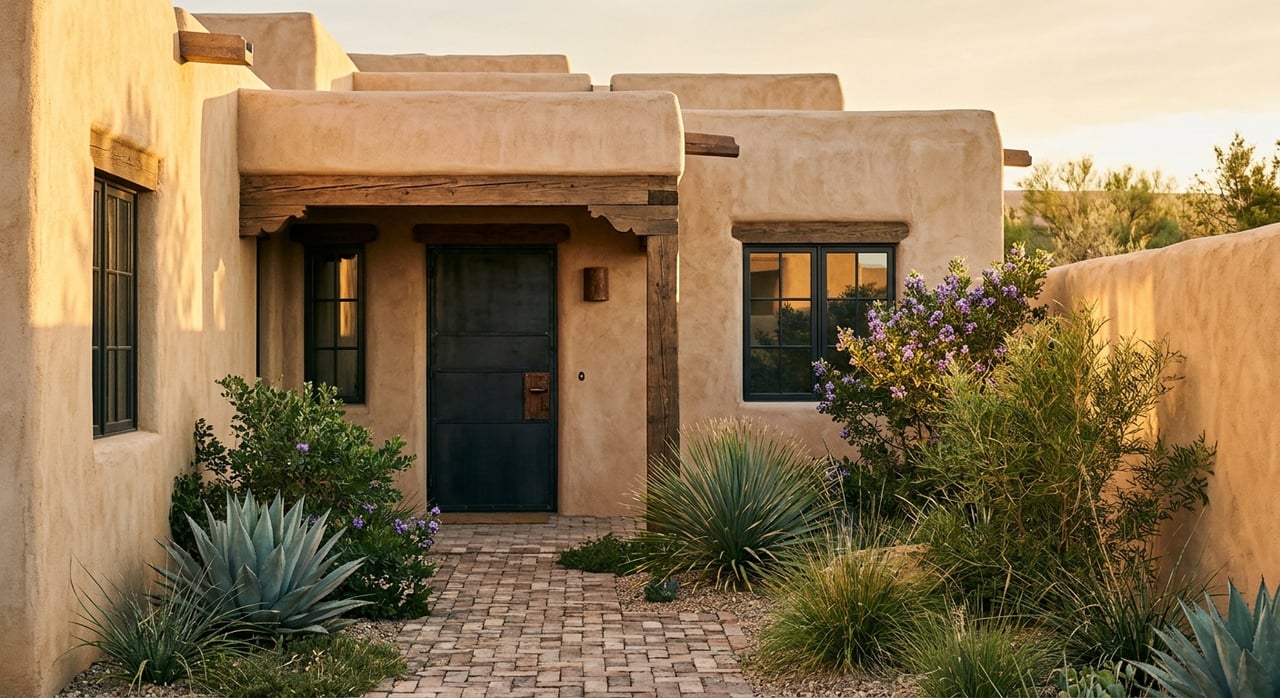
When people picture Old Town, they often think of adobe homes and thick-walled historic architecture. That image is grounded in reality.
Visit Albuquerque says most architecture in Old Town is adobe. At the same time, the district is not visually one-note. The arrival of the railroad introduced additional styles, including Victorian buildings, so the area reflects a blend of Spanish-era roots and later architectural influences.
The city’s Historic Old Town overlay identifies Spanish Colonial, Territorial, and Western Victorian as traditional architectural styles in the mapped historic area. For homebuyers, that means Old Town often feels more layered and architecturally distinctive than a typical subdivision.
Historic guidelines shape ownership
Buying in Old Town means more than choosing a beautiful home. It also means understanding the preservation context that helps protect the neighborhood’s character.
The city’s HPO-5 Historic Old Town overlay emphasizes preserving historic character, minimizing alterations, and repairing original features rather than replacing them when possible. These standards apply within the mapped historic area.
That matters if you are considering updates to a home’s exterior or imagining a major redesign. In Old Town, the appeal of ownership is often tied to stewardship as much as style.
What this means for buyers
If you love the charm of historic homes, these guidelines can be reassuring. They help maintain the look and feel that make Old Town special in the first place.
At the same time, you will want to go into the process with clear expectations. Renovation plans may need to be more careful, more specific, and more compatible with the existing architecture than they would be in a newer neighborhood.
Who Old Town tends to suit
Old Town often appeals to buyers who want a culture-rich, walkable, destination-style setting. The mix of museums, plazas, restaurants, galleries, and recurring events creates a lifestyle that feels connected, active, and distinct.
This area may be especially appealing if you value historic architecture and want to live in a place with a strong identity. You may also enjoy the convenience of being close to public spaces and cultural attractions that are part of daily neighborhood life.
On the other hand, buyers seeking a quieter or more purely residential environment may prefer a different part of central Albuquerque. Old Town offers a very specific experience, and that is part of its strength.
What to consider before buying
If Old Town is on your list, it helps to look beyond curb appeal and think about fit. A home here can offer beauty and character, but the surrounding lifestyle matters just as much.
Here are a few smart questions to ask yourself:
- Do you want to be near regular visitor activity and public events?
- Are you drawn to adobe architecture and historic design details?
- Are you comfortable with preservation-minded rules for exterior changes?
- Do you want a neighborhood where galleries, museums, and plazas are part of everyday life?
The right answer depends on your goals. For some buyers, Old Town feels inspiring and one-of-a-kind. For others, a different Albuquerque neighborhood may be a better everyday match.
Why local guidance matters
In a neighborhood like Old Town, details matter. Housing style, preservation rules, and block-by-block feel can all shape whether a property is the right fit for your lifestyle and long-term plans.
That is where local, hyper-specific guidance becomes valuable. When you are comparing historic character, daily activity, and ownership considerations, it helps to work with someone who can translate the feel of the neighborhood into practical decision-making.
If you are thinking about buying or selling in Old Town Albuquerque, Laura Fitzpatrick can help you make sense of the details and move forward with confidence.
FAQs
What is Old Town Albuquerque known for?
- Old Town Albuquerque is known as the city’s historic heart, with roots dating to 1706, a central plaza, San Felipe de Neri Church, museums, local shops, galleries, restaurants, and seasonal events.
What home styles are common in Old Town Albuquerque?
- Traditional styles associated with Old Town include Spanish Colonial, Territorial, and Western Victorian, and Visit Albuquerque says adobe is the dominant visual character in the area.
Is Old Town Albuquerque mostly residential or commercial?
- Old Town is best understood as a mixed-use historic district, with homes alongside museums, restaurants, galleries, plazas, and event spaces.
Can you easily remodel a home in Old Town Albuquerque?
- Exterior changes are not completely open-ended in the mapped historic area because the city’s preservation guidelines emphasize maintaining historic character, minimizing alterations, and repairing original features when possible.
Is Old Town Albuquerque a walkable area?
- Old Town’s layout and concentration of shops, galleries, museums, plazas, and restaurants make it a neighborhood that many buyers view as walkable and activity-rich.
What is the lifestyle like in Old Town Albuquerque?
- Old Town offers a culture-rich lifestyle shaped by public plazas, artisan shopping, museums, and recurring seasonal events, with a setting that tends to feel active rather than secluded.