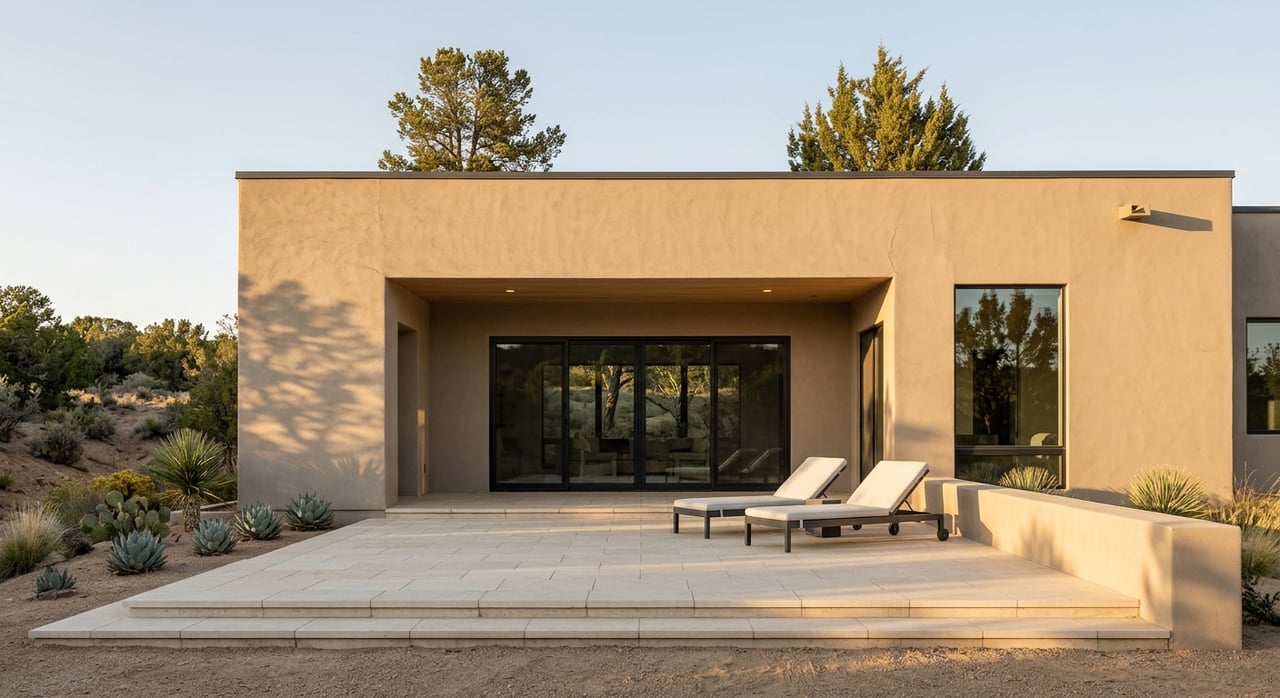
Trying to choose between Northeast Heights and High Desert? If you want foothills living in Albuquerque, these two areas can both show up on your shortlist, but they offer very different day-to-day experiences. The good news is that once you understand how they differ in layout, home style, trail access, and price, your decision gets much clearer. Let’s dive in.
Northeast Heights vs High Desert at a Glance
The simplest way to compare these two areas is this: Northeast Heights is the broader, older, more flexible east-side option, while High Desert is the more curated, premium foothills option.
Northeast Heights developed largely during the postwar years, with thousands of acres subdivided from the late 1940s through the 1960s. According to the Albuquerque Historical Society, the area includes a wide mix of subdivision patterns, home types, and architectural styles.
High Desert came later as a purpose-built community in the foothills. Its community history and HOA materials describe it as a 660-acre master-planned, sustainable community organized into 25 villages, with a stronger emphasis on coordinated design and open-space integration through the neighborhood fabric.
What Northeast Heights Feels Like
Northeast Heights is not one single neighborhood feel. It is a broad residential area with a more established subdivision pattern, and that gives you more variety from one pocket to the next.
In some parts, you will find modest postwar homes and practical layouts. In others, you may see larger lots, curving streets, custom-designed homes, and notable mid-century influences, as described in the Vista Larga district overview.
That variety can be a big advantage if you want options. If your priorities include different price points, a wider mix of home ages, or more architectural personality, Northeast Heights gives you a broader menu to work with.
What High Desert Feels Like
High Desert has a more intentional identity from the start. Rather than evolving over decades in a looser way, it was planned as a distinct foothills community with villages, design standards, and shared open-space structure.
The High Desert HOA describes a range of Builder Homes and Estate Homes across its villages, with variation in views, privacy, services, and access. Even with that variety, the visual experience tends to feel more consistent because the neighborhood is guided by a coordinated design framework.
If you are drawn to a polished, cohesive setting, High Desert often stands out. Many buyers are looking not just for a home, but for a specific foothills lifestyle, and this community was built to deliver that in a more structured way.
Home Styles and Visual Character
Northeast Heights offers more variety
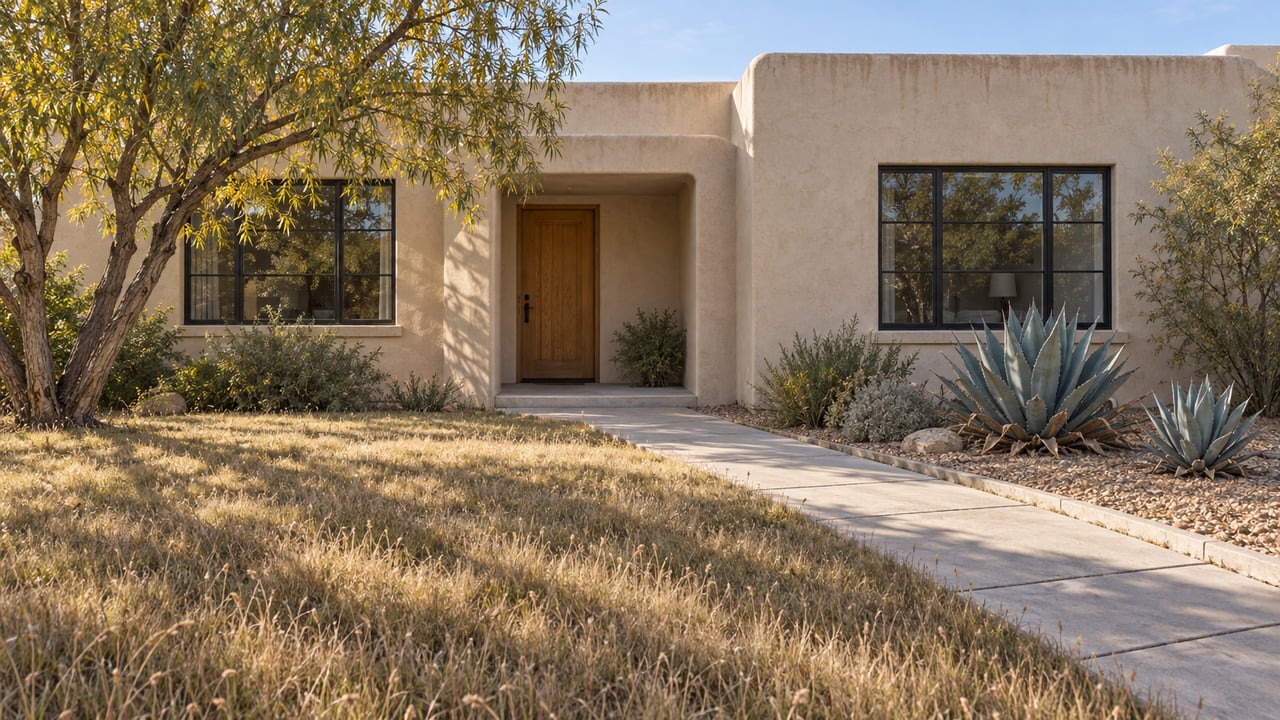
One of the biggest differences is architectural range. Northeast Heights includes Ranch House, Contemporary, International, and Mid-Century Modern forms, along with custom-designed homes in some subdivisions, based on documentation from the Albuquerque Historical Society.
That means your home search may feel more exploratory. You could tour one property with classic postwar lines, another with a mid-century profile, and another with a more updated contemporary look, all within the broader area.
High Desert offers more consistency
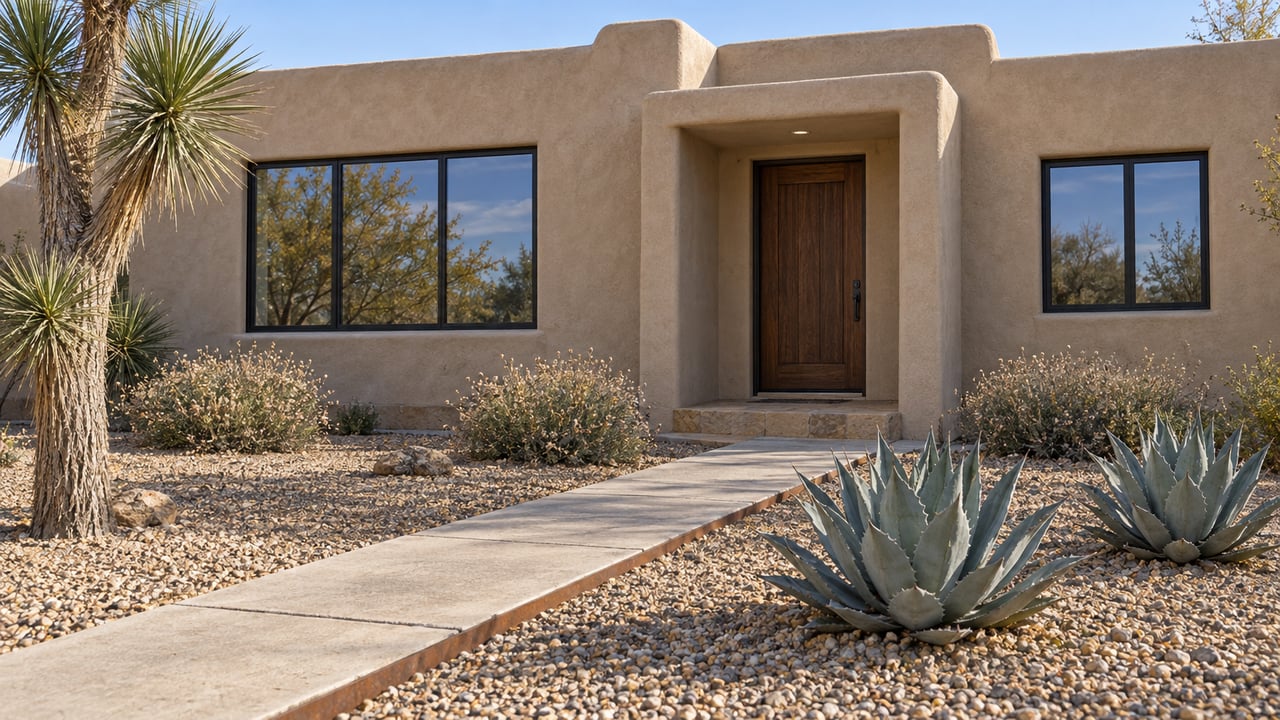
High Desert is less about one single architectural style and more about a controlled palette. The community information pages emphasize multiple home options, but within an environment shaped by HOA guidelines and design review.
For many buyers, that translates into a stronger sense of visual continuity. If you prefer a neighborhood where homes tend to feel more coordinated in presentation and setting, High Desert may align better with your goals.
Trail Access and Outdoor Routine
High Desert is more trail-centric
If daily hiking, walking, or trail running is high on your list, High Desert has a strong edge. According to the High Desert trails and parks information, community-owned open-space arroyos run through the development, and the public Michial Emery Trailhead connects to routes west to Tramway, north to Simms Park Road, east to Foothills Trail #365, and south toward Bear Canyon and Embudito arroyos.
That kind of direct integration matters in daily life. Instead of planning a drive to a trailhead, you may be able to step into your routine much more quickly, depending on where in High Desert you live.
Northeast Heights access depends on location
Northeast Heights can still offer solid access to the foothills, but it is less uniform. The City of Albuquerque Open Space Division notes that Sandia Foothills Open Space covers about 2,650 acres and includes trailheads such as Elena Gallegos, Embudito, Piedra Lisa, Menaul, Embudo Canyon, and Copper.
In practical terms, homes closer to Tramway and the far-east foothills edge tend to feel more connected to that outdoor system. More central parts of Northeast Heights may still be convenient to east-side living, but they are not as directly woven into the trail network.
Price Range and Budget Flexibility
For many buyers, this is where the choice becomes most obvious.
Public market snapshots place the broader Northeast Heights and Northeast Albuquerque market in a more flexible range. Homes.com reports a $323,700 median sale price and a $349,000 median list price for Northeast Heights, while the research also notes a $385,000 median for Northeast Albuquerque and $407,500 in the Sandia High School area from other public snapshot sources.
High Desert sits in a clearly higher tier. The research report cites current public snapshot data showing a $705,000 median sale price from Redfin, an $816,877 typical home value and $843,500 median list price from Zillow as of 3/31/2026, and a $1.29 million median home sale price from Realtor.com. Those numbers vary by source and boundary, but the direction is consistent: High Desert is the premium foothills band.
If you want a lower entry point and more pricing flexibility, Northeast Heights will usually give you more room to search. If you are specifically targeting a higher-end foothills setting and are prepared for that premium, High Desert is often the more direct fit.
Which Buyers Fit Each Area Best?
Northeast Heights may fit you best if:
- You want an established neighborhood feel
- You prefer a wider mix of home ages and architectural styles
- You want more flexibility on price point
- You like having more choices across a broad east-side area
- You are open to weighing trail access based on the exact pocket you choose
High Desert may fit you best if:
- You want a curated foothills setting
- You value stronger design consistency
- You want easier day-to-day integration with trails and open space
- You are comfortable shopping in a higher price tier
- You prefer a community with a more intentional master-planned identity
A Smart Way to Compare Them
The best comparison is not just Northeast Heights versus High Desert on paper. It is how each one supports the life you want to live.
If your top priorities are flexibility, architectural variety, and a broader range of choices, Northeast Heights likely deserves a close look. If your priorities are foothills immersion, design consistency, and a more trail-connected routine, High Desert may feel more aligned from the first visit.
It also helps to narrow your search by your non-negotiables. Think about your price range, how often you expect to use trails, how much neighborhood consistency matters to you, and whether you want a wider search area or a more defined community identity.
Final Thoughts on Foothills Living
Neither choice is universally better. The right fit depends on whether you want a broader, established east-side experience or a more curated foothills lifestyle.
That is where local guidance can make a big difference. A neighborhood can look great online, but the real question is how it feels when it matches your budget, routine, and long-term goals. If you want help comparing specific homes or narrowing down the right foothills fit, Laura Fitzpatrick can help you sort through the details with a clear, consultative approach.
FAQs
What is the main difference between Northeast Heights and High Desert?
- Northeast Heights is a broader and more established east-side residential area with more home-style and price variety, while High Desert is a more curated, master-planned foothills community with stronger design consistency.
Is High Desert closer to trails than Northeast Heights?
- In general, yes. High Desert is more directly integrated with community trails and open-space connections, while trail access in Northeast Heights depends more on how close you are to the far-east foothills edge.
Are homes in Northeast Heights more affordable than homes in High Desert?
- Based on the research report, yes. Northeast Heights falls in a lower and more flexible price band, while High Desert is consistently positioned in a higher premium price tier.
Does Northeast Heights have more architectural variety than High Desert?
- Yes. The research report shows Northeast Heights includes Ranch, Contemporary, International, and Mid-Century Modern homes, while High Desert tends to have a more controlled visual identity shaped by community guidelines.
Who should choose High Desert for Albuquerque foothills living?
- High Desert may be a better fit if you want a master-planned foothills setting, coordinated neighborhood character, and easier day-to-day access to trails and open space.
Who should choose Northeast Heights for Albuquerque living?
- Northeast Heights may be a better fit if you want more flexibility in home style, age, and budget, along with the feel of a larger established residential area.