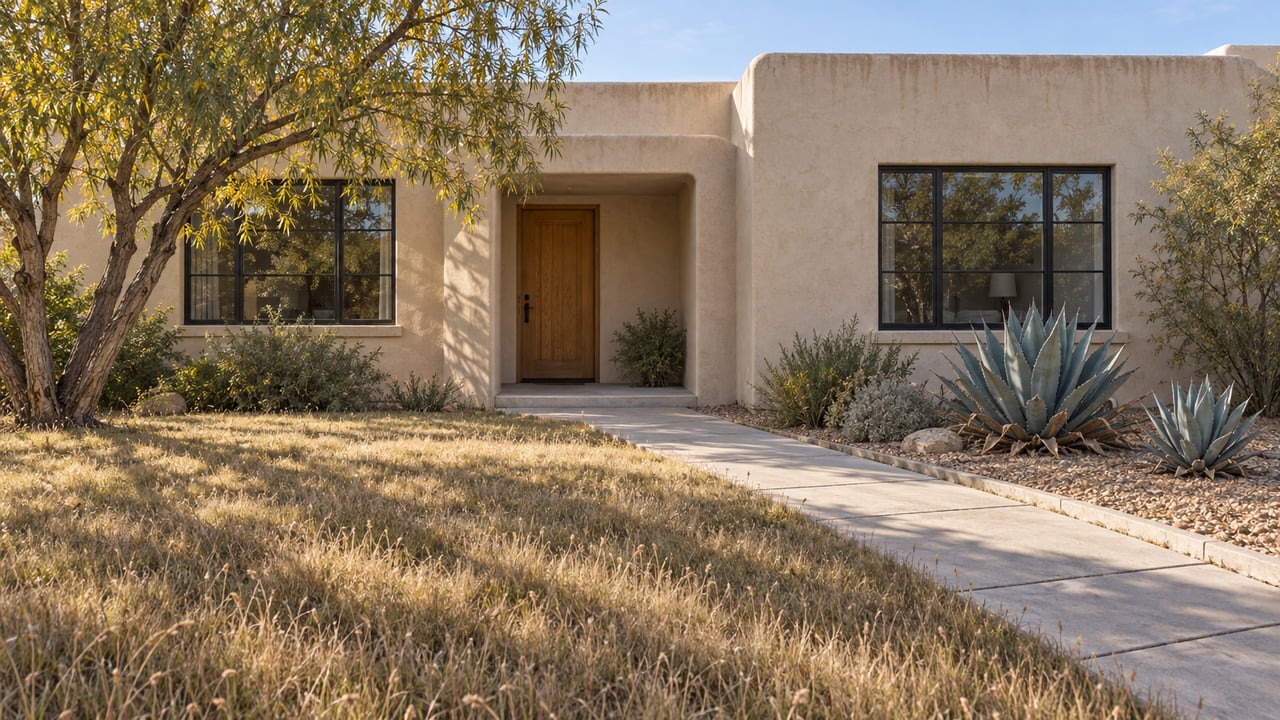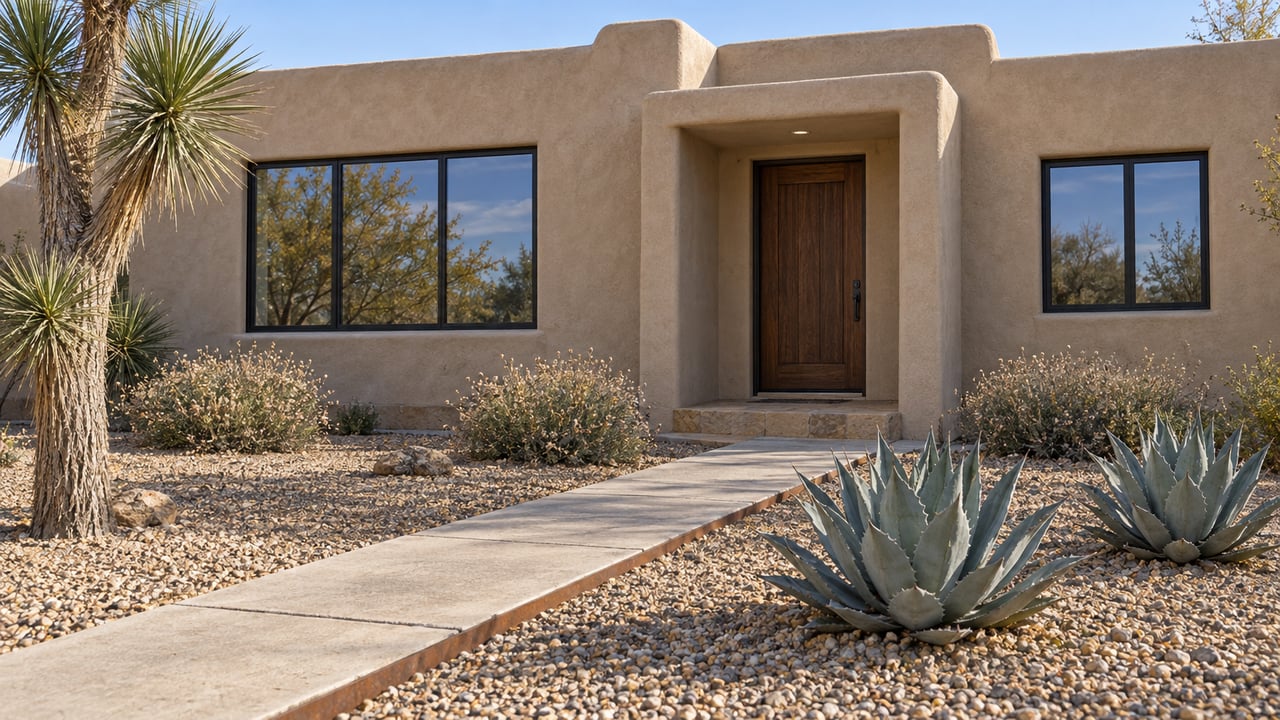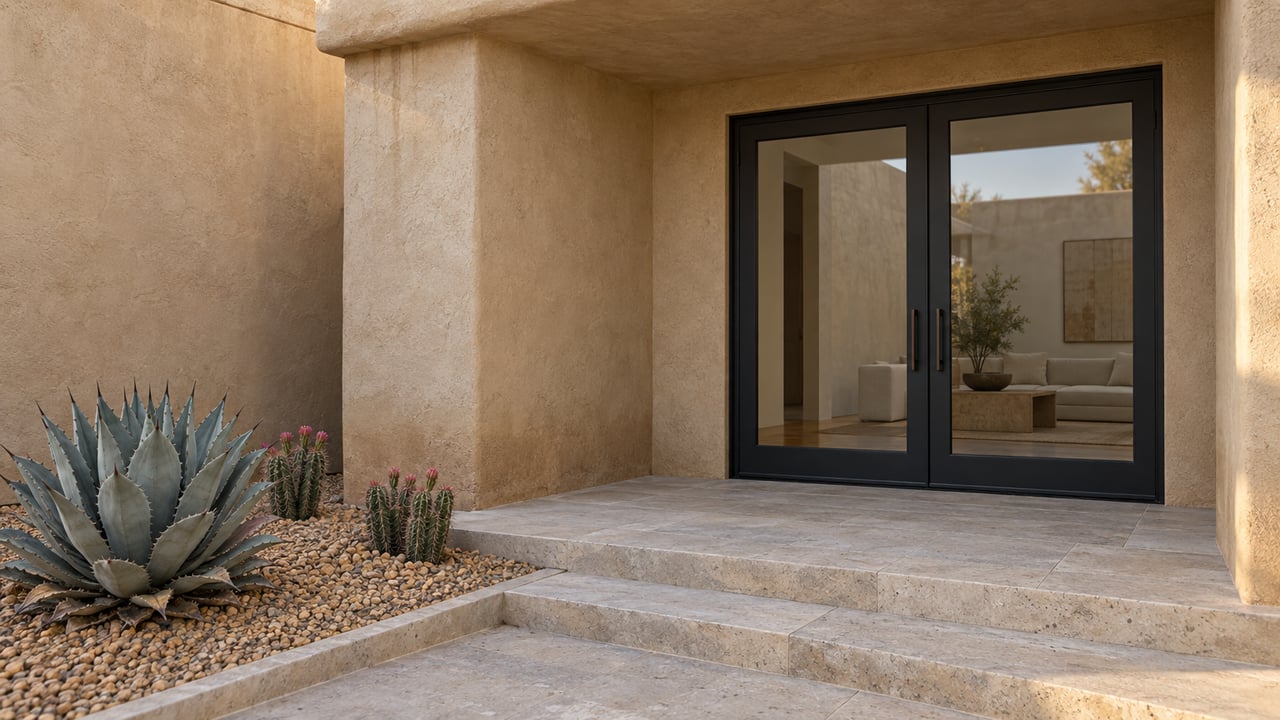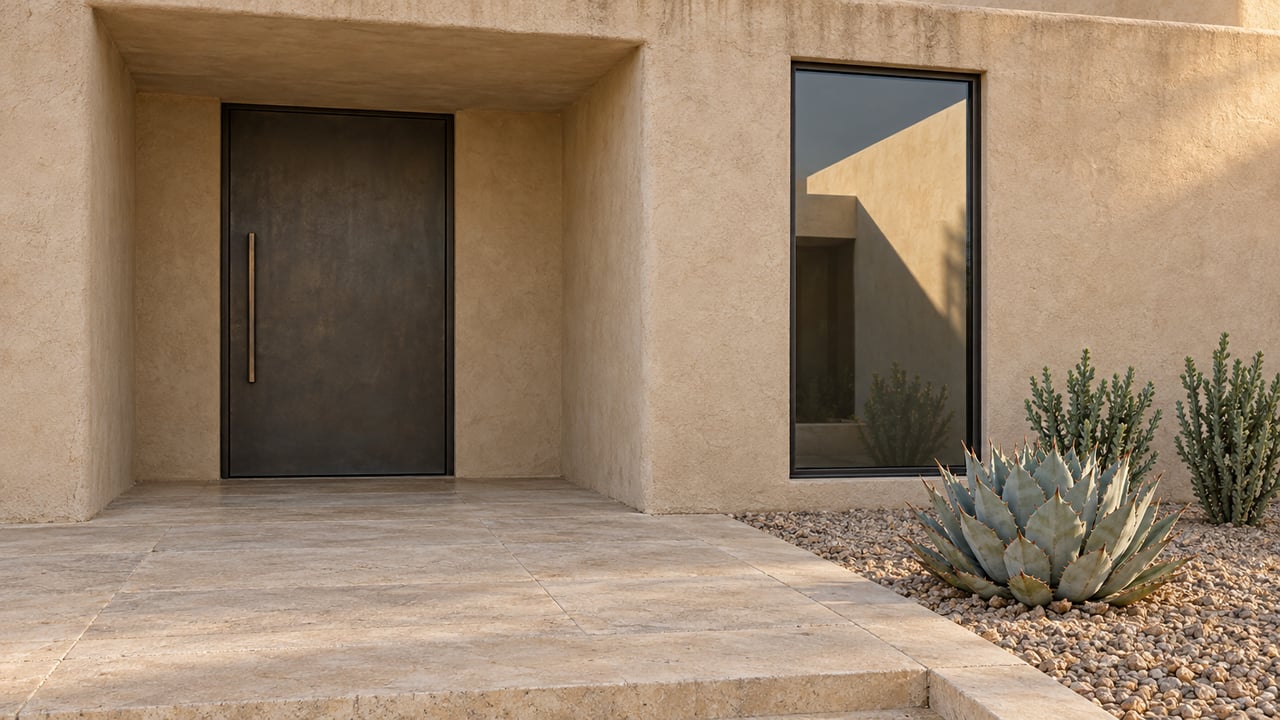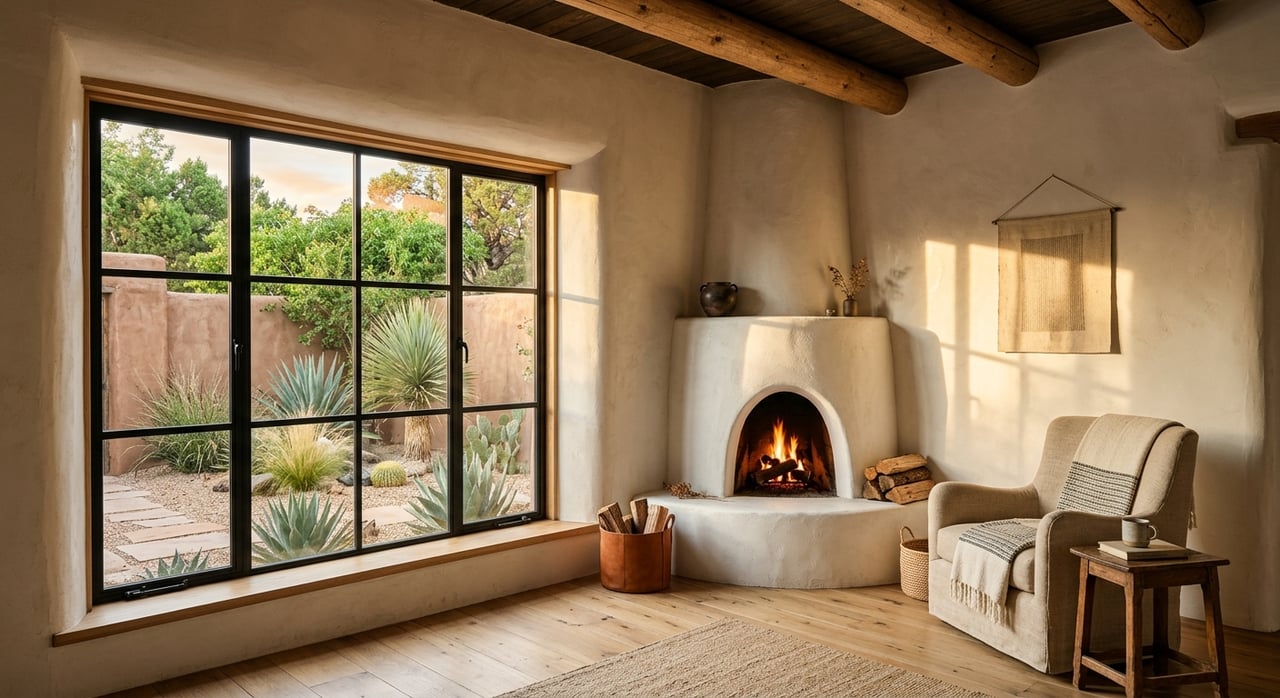
If you are selling a historic home in Old Town Albuquerque, you are not just putting a house on the market. You are presenting a piece of place, rhythm, and history in one of the city’s most recognized districts. That can be exciting, but it also means your marketing needs more care than a standard listing. Here is how to position your Old Town home so buyers understand both the property and the lifestyle that comes with it.
Why Old Town marketing is different
Old Town has been the center of community life since 1706, and the district still carries that identity today. The area includes more than ten blocks of historic shops, restaurants, and homes, with Pueblo Spanish style architecture that gives the neighborhood a distinct look and feel.
That matters because buyers are not evaluating your home in isolation. They are also responding to the setting around the plaza, the walkable historic character, and the everyday energy of a well-visited destination. In Old Town, the story of the home and the story of the location need to work together.
The city’s walking tours focus on Albuquerque’s history, the Old Town neighborhood, and the architectural features around the plaza. That means a well-marketed listing can legitimately highlight design, location, and historical context at the same time. Done well, your home feels memorable before a buyer ever walks through the door.
Start with a clear pricing strategy
Historic homes rarely fit neatly into a standard pricing formula. Condition, preserved details, updates, layout, and even how the home relates to the street or plaza can all affect value.
That is why pricing a unique Old Town property takes more than pulling a few nearby sales. You need an agent who can explain how comparable homes were chosen, how differences in condition and character were weighed, and how the final price supports your goals and timeline.
Seller research from 2025 found that 91% of sellers used a real estate agent, and their top priorities included help marketing the home, pricing it competitively, and selling within a specific timeframe. For a historic property, those priorities become even more important because buyers may be comparing your home to both traditional resale homes and one-of-a-kind properties.
Stage for simplicity and character
When your home has historic charm, the goal is not to over-style it. The goal is to help buyers notice what makes it special.
According to the 2025 Home Staging report, 83% of buyers’ agents said staging made it easier for buyers to visualize a property as a future home. The same report found that the most important rooms to stage were the living room, primary bedroom, and kitchen.
In an Old Town home, that usually means removing distractions so original or preserved details read clearly. If your home has special materials, traditional lines, architectural texture, or indoor-outdoor living spaces, simple staging helps those features stand out.
What to prioritize before photos
- Declutter surfaces so architectural details are easier to see
- Keep decor restrained and consistent
- Focus first on the living room, primary bedroom, and kitchen
- Make sure lighting supports a warm, natural feel
- Clear pathways so room size and flow are easy to understand
Staging can also support your bottom line. In the same report, 29% of agents said staging increased the dollar value offered by 1% to 10%, and the median cost of a staging service was $1,500. That does not guarantee a specific result, but it shows why thoughtful presentation matters.
Use professional visuals
Historic homes need more than a quick photo set. Buyers often decide whether to schedule a showing based on how clearly the listing explains the property online.
The 2025 Home Staging report found that buyers’ agents saw photos as especially important, followed by traditional physical staging, videos, and virtual tours. For an Old Town property, visuals should do three things at once: show the main spaces, explain the floor plan, and place the home in its neighborhood context.
That means your listing media should help buyers understand both the feel of the interiors and the experience of being in Old Town. A few casual snapshots can miss what makes the property compelling.
Visuals should capture
- Main living areas and natural gathering spaces
- The kitchen and primary bedroom clearly
- Architectural details and preserved materials
- Indoor-outdoor spaces and how they function
- The home’s relationship to the surrounding district
For distinctive homes, premium visuals are not an extra. They are part of how value is communicated.
Tell the home’s story with facts
Generic words like “charming” or “luxury” are not enough for a historic Old Town listing. Buyers respond more strongly when the story is specific, grounded, and believable.
The strongest marketing usually includes a documented era, known restoration or maintenance history, and details that show how the home fits into Old Town’s broader historical setting. The district’s long history, including places like Casa de Armijo and the long tradition of artisan activity around the plaza, shows why provenance and continuity matter here.
If your home has known renovation dates, preserved materials, or updates that support modern living while respecting the home’s age, those details should be featured clearly. The point is not to sound dramatic. The point is to help buyers understand what is authentic, what has been improved, and why the home feels meaningful.
Details that strengthen listing copy
- Approximate era or documented age of the home
- Preservation or restoration work
- Known maintenance updates
- Original or preserved materials
- Flexible spaces for modern daily living
- Indoor-outdoor features that suit the property’s style
This kind of writing builds trust because it replaces vague claims with useful information.
Sell the Old Town lifestyle
Old Town is a place-based market. Your home is part of a district known for history, architecture, shopping, dining, and recurring public events.
Most businesses in Historic Old Town are open Monday through Saturday from 10 a.m. to 8 p.m. and Sunday from 11 a.m. to 7 p.m. The area also hosts regular activity such as summertime music and dance, Balloon Fiesta Week programming, the Holiday Stroll, Mother’s Day in Old Town, and the Portal Market.
That steady public life shapes how buyers imagine living there. Strong marketing should connect the home to the plaza, walking tours, events, restaurants, and the everyday rhythm of the district. You are helping buyers picture not just ownership, but experience.
Lifestyle points worth highlighting
- Proximity to the plaza and surrounding blocks
- Access to walking tours and historic character
- The district’s active shops and restaurants
- Seasonal events and recurring public programming
- The feeling of living in a well-known Albuquerque destination
For the right buyer, this context can be just as persuasive as square footage.
Plan showings around foot traffic
Old Town is not a quiet, closed-off neighborhood. It is a public destination with steady visitor activity, and that affects showing strategy.
City walking tours run Thursday, Friday, and Sunday at 11:00 a.m. from March through November, weather permitting. The Portal Market operates daily from 9:30 a.m. to 9 p.m. Add in regular events and weekend activity, and it becomes clear that showing logistics need to be planned carefully.
In many cases, private appointments may work better than a large open house during busy windows. Sellers should also think through parking, arrival instructions, and how to make a buyer’s first few minutes feel calm and organized.
Showing tips for Old Town sellers
- Avoid scheduling during peak event or tour windows when possible
- Give clear parking and arrival instructions
- Prepare for neighborhood foot traffic
- Keep showings focused and well-timed
- Make the entry experience feel welcoming and easy
A thoughtful showing plan protects the buyer experience and helps your home stand out for the right reasons.
Choose marketing that matches the property
A historic Old Town home deserves a tailored plan, not a generic checklist. Between pricing, presentation, visuals, storytelling, and showing logistics, every piece should support the same message: this is a distinctive property in a distinctive part of Albuquerque.
That is where a relationship-first, data-informed approach can make a real difference. You want someone who can pair polished presentation with local knowledge, explain the strategy behind each decision, and guide you through the process with calm, clear communication.
When your home has history, character, and a location buyers already recognize, the goal is not to market louder. It is to market smarter.
If you are thinking about selling in Old Town Albuquerque, Laura Fitzpatrick can help you build a thoughtful strategy for pricing, presentation, and launch.
FAQs
How should you price a historic Old Town Albuquerque home?
- You should use a pricing strategy that accounts for condition, preserved details, updates, and the home’s unique character, not just nearby sales.
What matters most when staging a historic Old Town home for sale?
- The main goal is to simplify the space so buyers can clearly see the architecture, room flow, and preserved features, especially in the living room, primary bedroom, and kitchen.
Why do professional photos matter for an Old Town Albuquerque listing?
- Professional visuals help buyers understand the home’s spaces, layout, and character online, which is especially important for a one-of-a-kind historic property.
What should listing copy include for a historic Old Town home?
- The strongest listing copy uses facts such as the home’s era, restoration history, preserved materials, and updates that support modern living.
When should you schedule showings for an Old Town Albuquerque home?
- Showings should be planned around local foot traffic, walking tours, the Portal Market schedule, and major district events so buyers can have a smoother visit.
Why is Old Town Albuquerque lifestyle marketing important when selling?
- Buyers are often drawn to Old Town for its history, plaza setting, shops, restaurants, architecture, and recurring community events, so the listing should reflect that full experience.