Craving a walkable lifestyle with coffee, culture, and transit right outside your door? Downtown Albuquerque puts you in the middle of it all, from galleries and theaters to the Rail Runner and ART bus line. Still, condo living has its own tradeoffs, from HOA dues to parking details and building rules. In this guide, you’ll learn how downtown condos live day to day, what you can expect to pay, and the questions to ask before you buy. Let’s dive in.
Downtown lifestyle at a glance
Walkability and transit
If you want to leave the car more often, Downtown is one of the city’s most walkable areas. The neighborhood posts a Walk Score in the 80s, which means you can handle most errands on foot and reach many dining and entertainment spots within a few blocks. You also gain strong transit access: the ART Bus Rapid Transit runs along Central Avenue, and the Alvarado Transportation Center brings ABQ RIDE, Amtrak, Greyhound, and the New Mexico Rail Runner commuter rail together in one hub. That combination makes downtown a practical choice if you value convenience and options beyond driving. See the neighborhood snapshot for walkability and market context and review ART service details and routes.
Daily amenities and culture
Living here means quick access to theaters, galleries, and regular community events. You are near signature venues and recurring programs that keep the district active on weekdays and weekends. Expect more foot traffic and energy, which many buyers see as a lifestyle perk.
What you’ll find in downtown condos
Common building types
You’ll see three main styles:
- Historic conversions and lofts. These are former commercial or institutional buildings with large windows and high ceilings. Many list in the 200–300K range for 1-bedroom or loft layouts. You get character and volume instead of big square footage.
- Mixed-use or live-work mid-rises. These blend residential units with ground-floor retail or office. Some advertise elevator access, assigned garage parking, and floor-to-ceiling windows.
- Purpose-built condos. Newer mid-rise projects deliver modern finishes, secure entries, and garage parking. A representative example is the Anasazi building, where recent listings near the 300K mark have shown larger 1-bedroom loft-style plans with building services. View a sample Anasazi listing for features and fees.
Floor plans and sizes
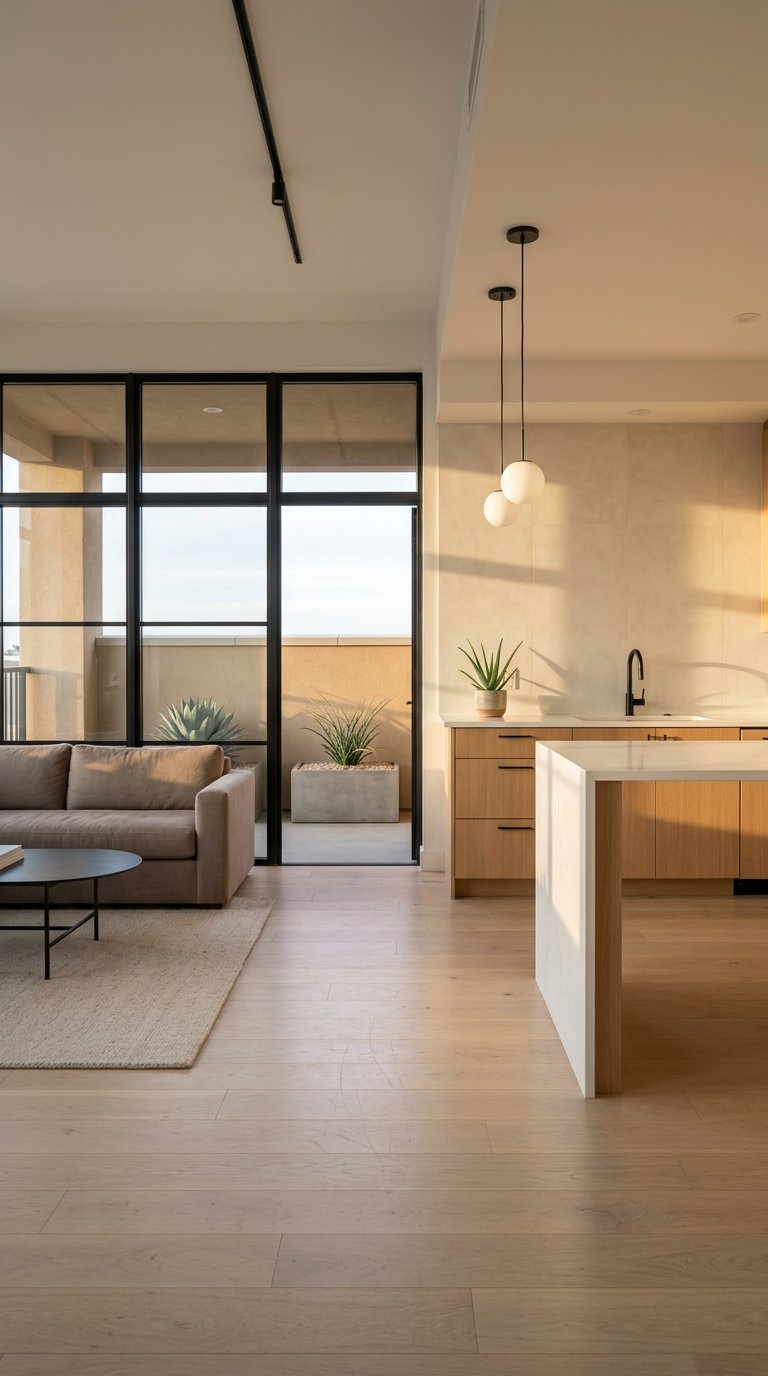
Most downtown condos trade on ceiling height, light, and views rather than raw square footage. Typical ranges observed in recent listings include:
- Studios and small lofts: about 500–800 square feet, usually open-concept.
- One-bedroom lofts: roughly 700–1,200 square feet, sometimes with mezzanines or extra ceiling height.
- Two-bedroom units: commonly 1,000–1,500+ square feet, with some full-floor plans above that in select buildings.
For a sense of current layouts and sizes, scan active downtown listings to compare floor plans and finishes across buildings. Use a representative active listings page to gauge sizes and layouts.
Price ranges and monthly costs
What condos cost right now
Downtown’s neighborhood snapshot shows a median sale price in the low-to-mid 300Ks, but individual buildings and units vary widely due to views, finishes, and parking. In recent activity, you can often expect:
- About 200–300K for compact lofts and smaller 1-bedroom units.
- About 300–450K for many 2-bedroom condos or larger 1-bedroom lofts.
- Premium and unique floor plans above 450K in some cases.
Because downtown sales volume is smaller than in suburban areas, medians can swing with just a few sales. Use the neighborhood page as a directional guide and lean on up-to-date, building-specific comps for precise pricing. Check the Redfin neighborhood page for a current snapshot. For real-world examples, recent listings in the Anasazi building have asked around the 300K range for larger lofts with secure garage parking. Review a representative Anasazi listing with size, amenities, and fees.
HOA dues and what they cover
Monthly HOA fees vary dramatically by building. That difference usually comes down to amenities, utilities included, elevator service, insurance, reserves, and how building systems are maintained.
- Some downtown buildings show higher monthly dues when utilities and significant building services are included. One Anasazi example reflects dues near 987 dollars per month. See fee details on a representative Anasazi listing.
- Other buildings show more modest dues when utilities or amenities are limited. For instance, several 220 Copper Ave units have posted around 155 dollars per month. Check a representative building page for 220 Copper Ave.
Before you offer, request the HOA budget, reserve study, the last 12 months of meeting minutes, and a record of special assessments in the past 3–5 years. Those documents help you understand true operating costs and potential future increases.
Financing a downtown condo
Condo loans come with an extra step: lenders often require a project-level review to determine if a building meets agency standards. Fannie Mae’s Condo Project Manager and other review tools are used to confirm eligibility, which can affect your loan options and rate. Well-managed projects with adequate reserves, proper insurance, and a healthy owner-occupancy mix are typically easier to finance. Ask your lender early whether the building is certified or will need a manual review so you can plan your timeline. Learn how lenders evaluate condo projects.
Parking, rules, and use options
Parking
Parking is a top question for downtown buyers. At the district scale, the City’s Downtown Parking Study counts more than 21,000 spaces across garages, lots, and on-street parking. Many condo buildings include assigned garage spaces or access to adjacent public garages, but convenience still varies block by block. If secure, covered, or assigned parking is a must, make it part of your must-have list and confirm the specific space number and access method in writing. Review the city’s downtown parking overview.
Live-work and rental rules
Several downtown buildings are zoned for mixed uses and may allow live-work flexibility. Some listings also highlight short-term rental potential. Actual permissions depend on city zoning and your building’s HOA covenants, so verify both before you buy. Ask for the condo declarations, CC&Rs, house rules, and any rental caps. Use your due diligence window to confirm what is permitted for pets, leases, and business uses.
Who thrives in downtown condo living
You are likely a fit if you want a lock-and-leave lifestyle with minimal exterior maintenance and easy access to dining, art, and events. If you plan to commute by Rail Runner or ART, the transit hub can simplify daily travel. Many buyers also appreciate the built-in social energy of a compact district.
Tradeoffs include smaller private space, less separation from neighbors, and potential for more street activity and noise near nightlife. HOA dues can vary from modest to high depending on building services and reserves. Parking can be seamless in one building and less convenient in another, so focus your search by your parking priorities. Like many urban cores, Downtown has visible public-space challenges and property-crime concerns, and local leaders continue to invest in activation and safety measures to support businesses and visitors. For context on current initiatives, see a recent overview of city and business focus on Downtown activation efforts. Read coverage of Downtown attention from city and business leaders.
Try a weekend test
Before you commit, spend a weekend living like a local. On Friday evening, walk to dinner and note street lighting, activity, and noise levels. On Saturday morning, run errands on foot, try transit, and evaluate how easy it feels to get around. On Sunday, tour a few buildings to compare light, views, and parking access.
Buyer checklist for Downtown Albuquerque condos
- How important is walkability to my daily life? Try a two-day test: a weekday errand run and a weekend evening out. Use the neighborhood snapshot to gauge walkability.
- Do I need assigned, covered parking? If yes, require it in writing and verify the space number in your HOA docs. Scan the city’s parking overview for context.
- What is the HOA monthly fee and exactly what does it cover? Request the budget, reserve study, and last 12 months of meeting minutes. Review how fees can vary by building in an example listing.
- Is the condo project financeable for my loan type? Ask your lender about project certification or whether a manual review is needed. See how lenders evaluate condo projects.
- Are there rules limiting pets, rentals, or short-term rentals? Request CC&Rs and house rules, and confirm city zoning for live-work or STR uses.
- What are my true first-year costs? Build a 12-month worksheet that includes principal and interest, HOA dues, property taxes, and insurance.
- How does this block feel at 8 am, noon, and 11 pm? Visit at each time and take notes on access, noise, and activity.
Ready to explore your options?
If downtown condo living sounds like your next chapter, let’s map out the right buildings for your needs, budget, and loan type. From HOA and financing checks to block-by-block tours and comps, you’ll have a calm, data-informed process at every step. Reach out to This House Fitz to schedule your free consultation and start your search with a trusted local guide.
FAQs
What does walkability look like in Downtown Albuquerque?
- Downtown posts a Walk Score around the mid-80s, which means you can handle many errands on foot and enjoy concentrated dining and arts within a few blocks. Check the walkability snapshot.
How much are HOA dues for downtown condos?
- Fees vary widely by building and what is included, from around 150 dollars per month in some projects to near 1,000 dollars per month where utilities and major services are covered. Always review the HOA budget and reserve study. See example fee ranges.
Is financing harder for Downtown Albuquerque condos?
- It can be if the project is not currently eligible under agency rules. Ask your lender early to check project certification and whether a full or limited review is required. Learn about condo project reviews.
Do most downtown condos include parking?
- Many offer assigned garage spaces or access to nearby public garages, but specifics vary by building. The district has more than 21,000 total spaces across garages and lots. Review the city’s parking overview.
Are short-term rentals or live-work uses allowed downtown?
- Some buildings and zones allow live-work or short-term rentals, while others limit or prohibit them. Verify city zoning and your HOA’s CC&Rs and rules before you buy.
What price range should I expect for 1- or 2-bedroom condos?
- Many smaller lofts and 1-bedroom units list around 200–300K, while many 2-bedroom options sell in the 300–450K range. Premium or unique units can run higher. See a current neighborhood snapshot.