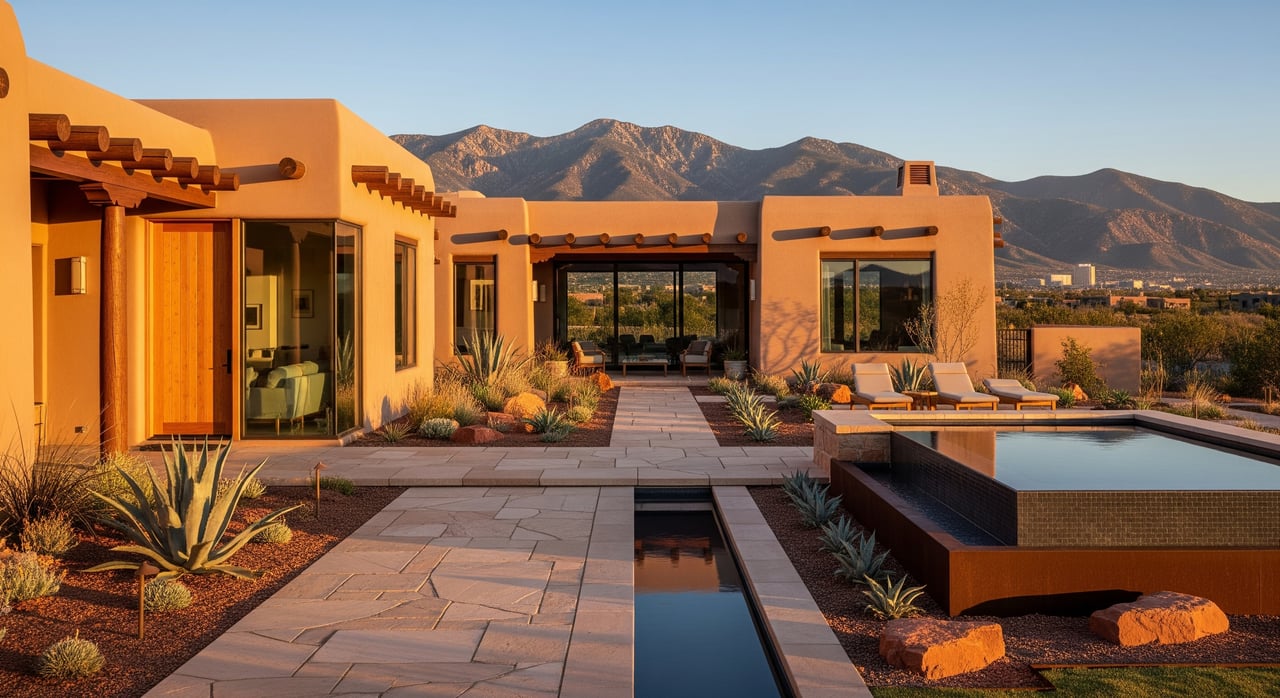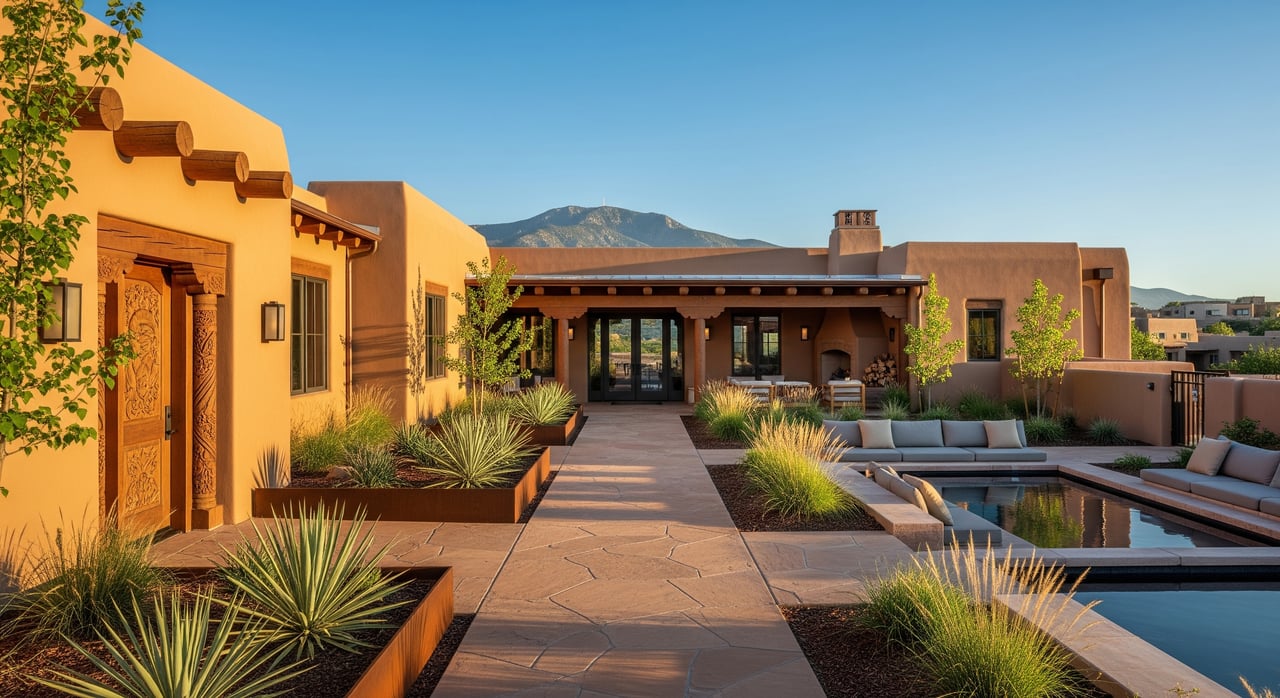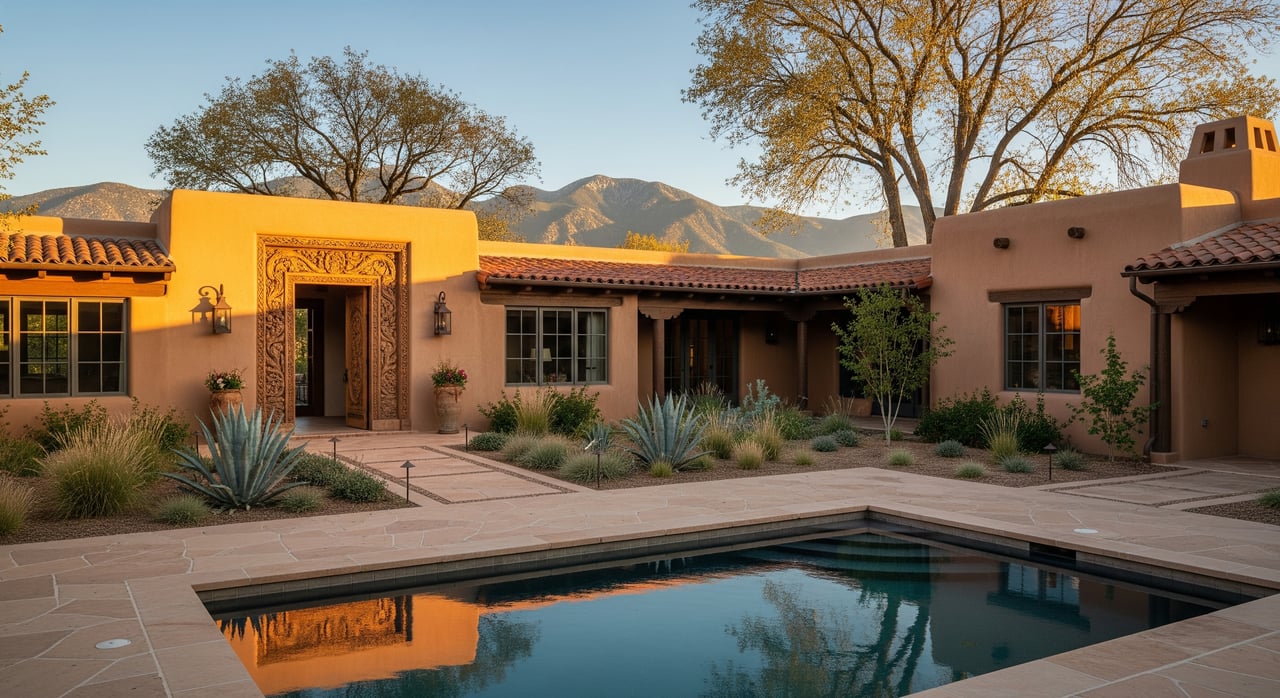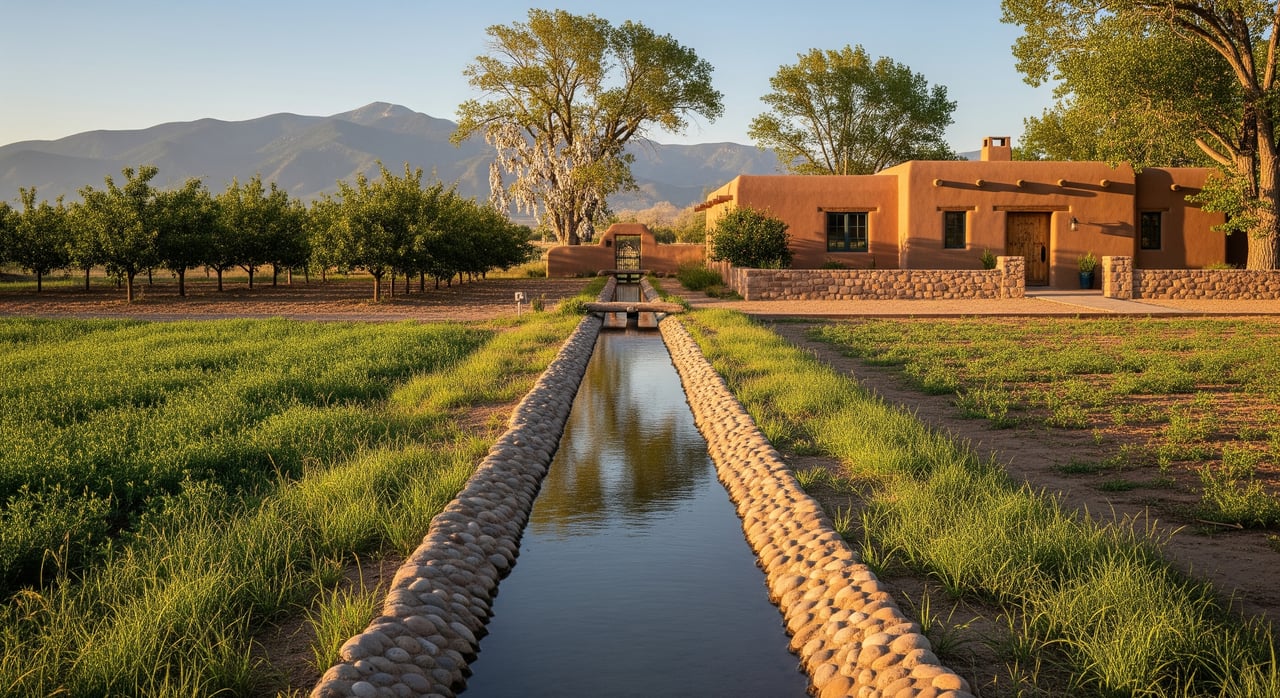
Picture this: morning light over the Rio Grande bosque, acequia water moving quietly through the ditches, and riders easing along tree‑lined lanes. If you are drawn to space, soil, and a slower pace, Corrales may be exactly what you have in mind. At the same time, buying here comes with unique decisions about water, zoning, and daily logistics. In this guide, you will learn how acequias work, what to look for in farms and equestrian properties, and the practical checks that make a Corrales purchase smooth and confident. Let’s dive in.
Corrales at a glance
Corrales is a low‑density village with a strong agricultural and equestrian identity. Most properties are single‑family homes on larger lots, plus working and hobby farms. You will find barns, corrals, gardens, orchards, and open views more often than dense subdivisions.
Village planning and zoning aim to protect rural character, agriculture, and open space. That means fewer high‑density services in the village itself. For broader retail, medical care, and many jobs, you will likely drive to Albuquerque, Rio Rancho, or Bernalillo.
Acequias 101: water, rights, and responsibilities
Acequias are community‑managed irrigation ditches with deep roots in New Mexico history. They are both physical channels that deliver surface water and social institutions that manage that water and the maintenance work required to keep it flowing. If you plan to garden, grow orchards, keep pasture, or run small‑scale agriculture, acequia access can be a major asset.
What to verify about irrigation rights
- Ask the seller for documentation of acequia membership, assessments, and recent cleanup obligations.
- Confirm whether irrigation rights transfer with the parcel and whether they are adjudicated.
- Check the reliability of deliveries for the use you have in mind, such as pasture or orchard irrigation.
How acequias affect property layout
Acequias and their maintenance easements can run along edges or through parcels. These easements may limit where you can place structures, fences, and driveways. A current survey and title review can help you understand boundaries and any restrictions before you commit.
Who to contact about water and ditches
Irrigation and domestic water are governed by different rules. Many Corrales homes use a private well for household water, with acequia water for irrigation. For clarity on rights and permits, contact the local acequia association, the New Mexico Office of the State Engineer for water rights and wells, and the Middle Rio Grande Conservancy District for regional irrigation infrastructure.
Farms, farm stands, and local food
Corrales supports a vibrant small‑scale agricultural scene, from orchards and vegetable plots to specialty producers. Farm stands, community supported agriculture programs, and direct‑to‑consumer sales are a regular part of village life.
What to look for in a hobby farm
- Established irrigation access or well capacity for your intended crops.
- Adequate acreage for gardens, orchards, greenhouses, or small livestock.
- Soil conditions and any conservation practices that support healthy production.
On‑site sales and small agricultural businesses
Small commercial agriculture can be viable here. If you plan to sell produce on‑site or run a farm stand, review local ordinances for permitted uses, signage, parking, and hours. If you aim to scale production, speak with agricultural extension resources and the USDA NRCS about soil and conservation programs that may help your plans.
Open space, bosque, and trails
The Rio Grande bosque and nearby open space are part of daily life for many residents. You can walk, bike, or ride on local trails, watch seasonal bird migrations, and enjoy access to the river environment when conditions allow.
Community groups and local governments work together to conserve and manage these areas. If regular trail access is important to you, consider where you want to be in the village and how you will reach the routes you plan to use.
Riding and trail access
Corrales is known for informal riding along ditch banks and in open areas. Access can vary, and some paths cross private land or specific easements. Ask about rights‑of‑way and confirm that your preferred routes are permitted and safe for horses.
Conservation and community groups
Garden clubs, equestrian associations, and conservation groups are active here. They offer practical support, such as vet and farrier referrals, hay sources, volunteer ditch cleanups, and ways to connect with neighbors who share your interests.
Equestrian living in Corrales
Many properties are equestrian‑ready, with barns, arenas, paddocks, and thoughtful layouts that balance pasture and turnout. If you plan to keep horses or other livestock, zoning details matter.
Zoning and animal‑keeping basics
Local ordinances generally allow equestrian uses on larger lots, with rules for animal units, setbacks, manure management, and stable permitting. Confirm current regulations with the Village of Corrales or Sandoval County before you plan new structures or expand a herd.
Practical questions to ask sellers
- How many horses or livestock have been kept on the property, and how was manure managed?
- Where are the water sources for animals, and how are they winterized?
- Which trails or riding lanes are nearby, and are they public or private access?
Utilities, permits, and infrastructure
Rural character goes hand in hand with on‑site systems. You will want to confirm the details of wells, septic, and service providers early in your search.
Wells, septic, and internet
Many Corrales properties rely on private wells for domestic water and on septic systems for wastewater. Verify the well’s status, obtain a pump test and water quality results, and schedule a septic inspection with records of permits and maintenance. Internet and cell coverage can be variable in rural locations. Check options and speeds by address with local ISPs and confirm coverage that fits your work needs.
Floodplain and easements
Parcels near the Rio Grande or within the bosque may be in FEMA flood zones or be prone to periodic flooding. Obtain flood maps and request elevation or flood studies where needed. Title and survey documents should also identify acequia, utility, and trail easements that may limit where you can build or fence.
Permits and building considerations
Septic sizing, well drilling, and stable or manure management permits are governed by state and local regulations. Speak with the New Mexico Environment Department, the Village of Corrales, and Sandoval County about any planned improvements.
Commute and daily logistics
Corrales sits just north of Albuquerque and within easy reach of Rio Rancho and Bernalillo. Commute times depend on your address and destination, and traffic peaks can affect access to employment centers. Public transit is more limited than in denser urban areas, though regional providers offer service along major corridors. If a predictable commute is important, test your route during peak hours.
Schools, services, and taxes
School assignments depend on district boundaries, which can vary by parcel. Verify with local district offices and enrollment teams before you decide. For property taxes and any special assessments, check records with the Sandoval County Assessor. If a property has acequia membership, ask about current assessments in addition to standard taxes.
Buyer due diligence checklist
- Well report, pump test, and water quality testing for domestic use.
- Septic inspection, plus permit and maintenance records.
- Title search for acequia membership, water rights, easements, and liens.
- Survey that shows acequia and utility easements and any trail easements.
- Flood zone determination, elevation certificate as needed, and insurance requirements.
- Zoning and permitted uses for barns, arenas, on‑site sales, or home businesses.
- Utility providers confirmed, including electric, propane or natural gas, trash, and broadband.
- Conversations with local acequia representatives about ditch obligations and historical deliveries.
- If equestrian uses are planned, confirm animal unit allowances and setback rules with the Village of Corrales.
Is Corrales a fit for you?
If you want space for horses, room to grow a garden or orchard, and daily access to the bosque and trails, Corrales offers a lifestyle that is hard to match in the metro. You trade some in‑village convenience for open space, agricultural rhythms, and a close‑knit village culture. The key is thoughtful due diligence on water, septic, easements, and zoning so your property supports the life you want.
If you would like a local, relationship‑first guide to help you weigh options, introduce vetted service pros, and navigate water and zoning details with confidence, connect with This House Fitz to Schedule Your Free Consultation. We will align your wish list with the right parcels, coordinate inspections and records, and support you from first tour through closing.
FAQs
What is an acequia and why does it matter when buying in Corrales?
- An acequia is a community‑managed irrigation ditch that delivers surface water for agriculture and comes with shared maintenance obligations and potential assessments tied to the land.
Do irrigation rights transfer with the property in Corrales?
- Irrigation rights can transfer, but you should verify the status, documentation, and adjudication with the seller, title company, and the local acequia association.
Can I rely on acequia water for household use?
- No, acequia water is generally for irrigation, while household water typically comes from a private well or a municipal source that you should test and confirm.
Are horses allowed on most Corrales properties?
- Many larger lots allow equestrian uses, but exact animal unit limits, setbacks, and manure management rules vary, so confirm current regulations with the Village of Corrales.
How close are services and schools if I live in Corrales?
- Corrales has a rural feel with limited services in the village, and many residents drive to nearby communities; verify school district boundaries and plan travel times for daily needs.
What should I check about flood risk near the Rio Grande bosque?
- Obtain FEMA flood maps and consider elevation or flood studies if a parcel is near the river or bosque, then review insurance needs before you finalize your purchase.
How do commute times from Corrales typically work?
- Commutes vary by exact address and destination within Albuquerque, Rio Rancho, or Bernalillo; test your route during peak hours and review regional transit options where available.